Discover Angola with
our tours and safaris
Explora... Palanca Safaris designs exploration trips in Angola, combining spectacular landscapes with genuine encounters. Our tours reveal the full diversity of the country, from the green north to the desert south, in an authentic and immersive way.
What we offer
This tour through a still little-known Angola is an ideal first immersion in the country. Lush forests, spectacular waterfalls, wild Atlantic coastline and colonial heritage reveal a land of contrasts.
“Here, the land still whispers the stories of ancient kingdoms. The wind crosses the Namibe dunes like a memory, while the Mayombe jungle breathes to the rhythm of the tropical rains.
On the banks of the Kwanza, silence mingles with the songs of fishermen. And in the eyes of the southern tribes, you will see the echo of a forgotten world. Angola is not a country you visit, it is a country you feel. In every gesture, every encounter, every landscape, it invites you to slow down, to look, to reconnect. Few travellers venture here yet. Those who do never come back quite the same.”
Angola is...
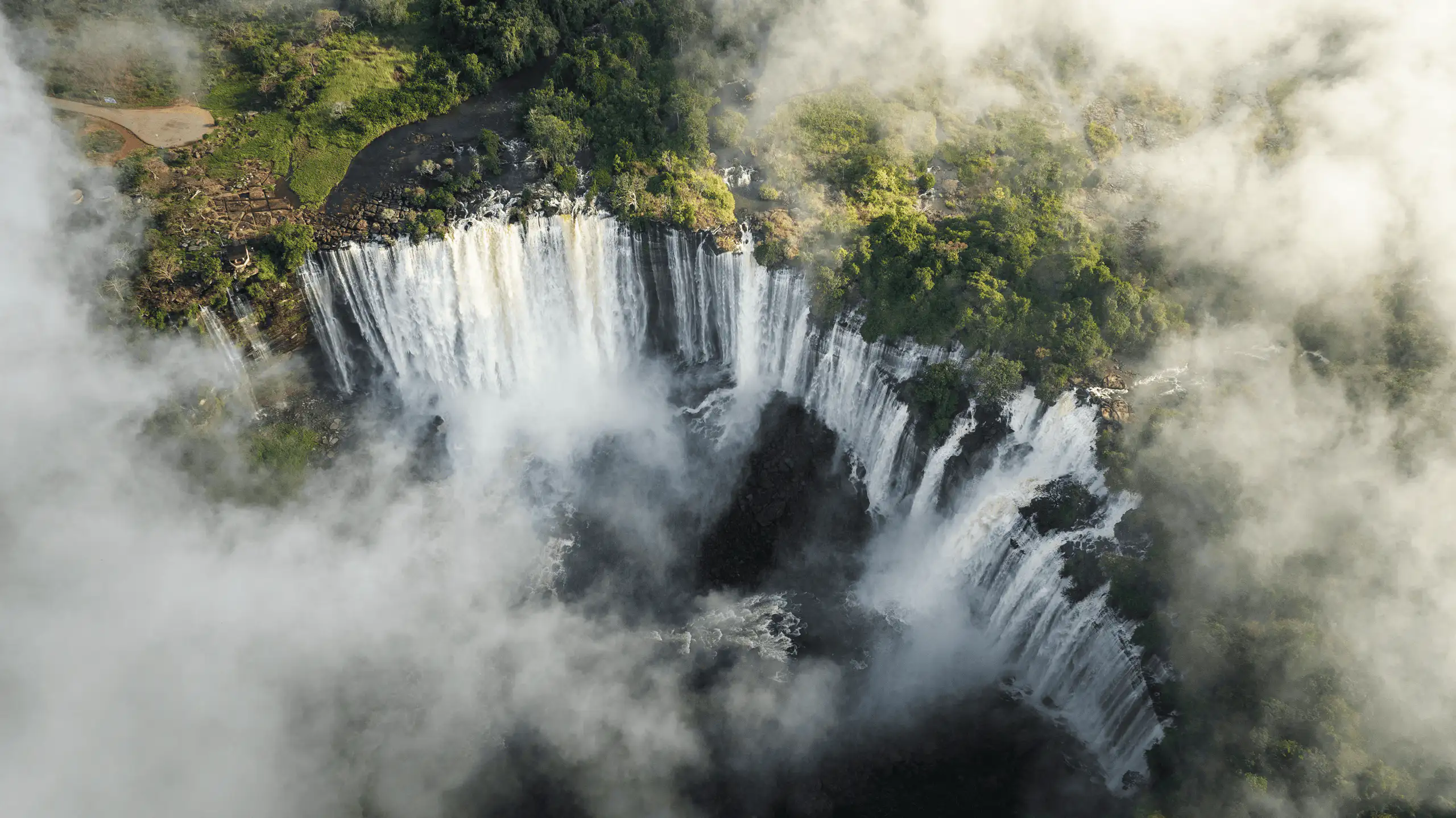
A rich history...
Nearly 500 years of Portuguese presence left many traces: old fortresses, beautiful churches, many museums in Luanda and the provinces, and the village of Massangano, Angola's temporary capital in the 17th century when the Dutch navy seized Luanda…
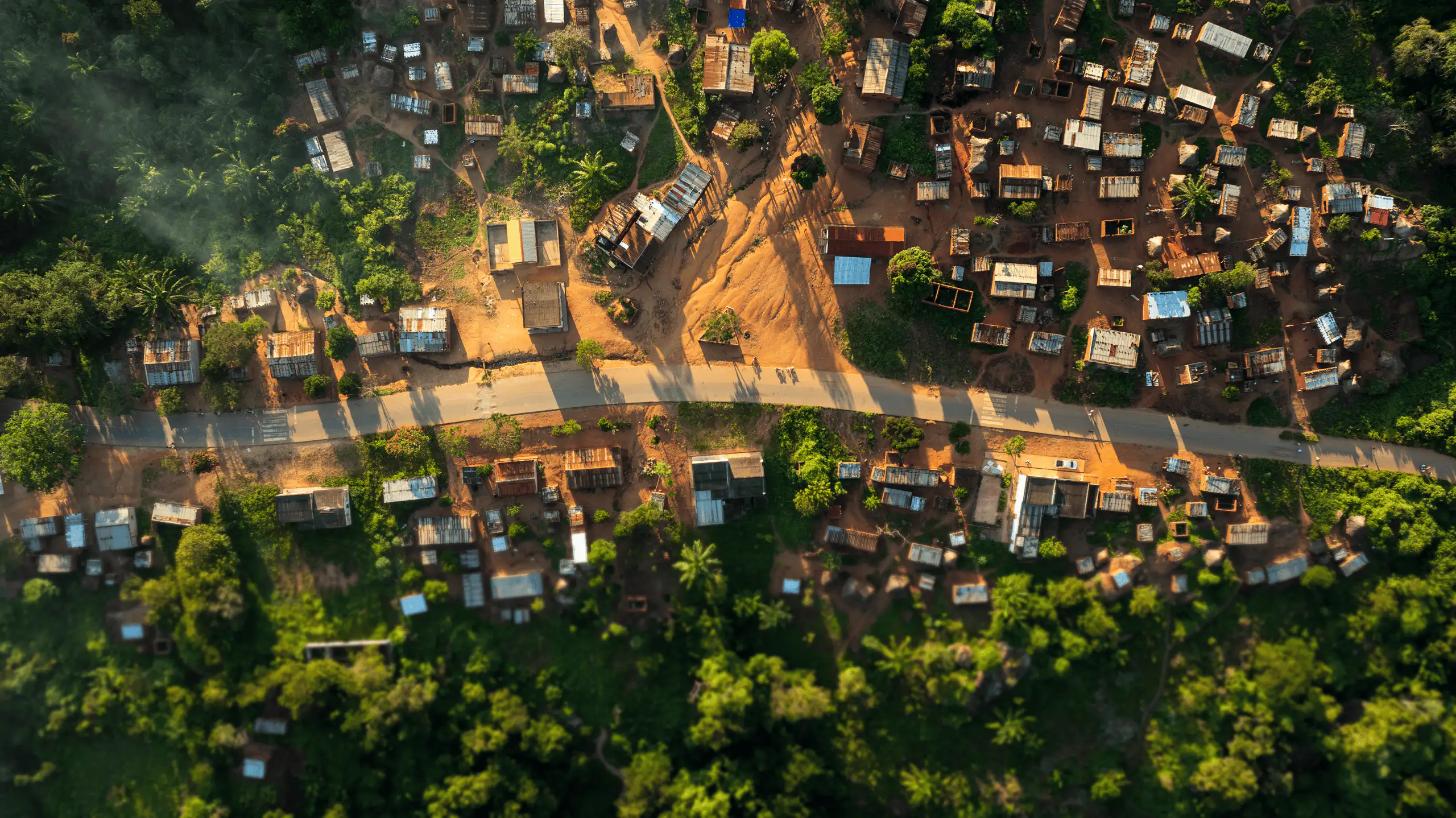
Varied landscapes
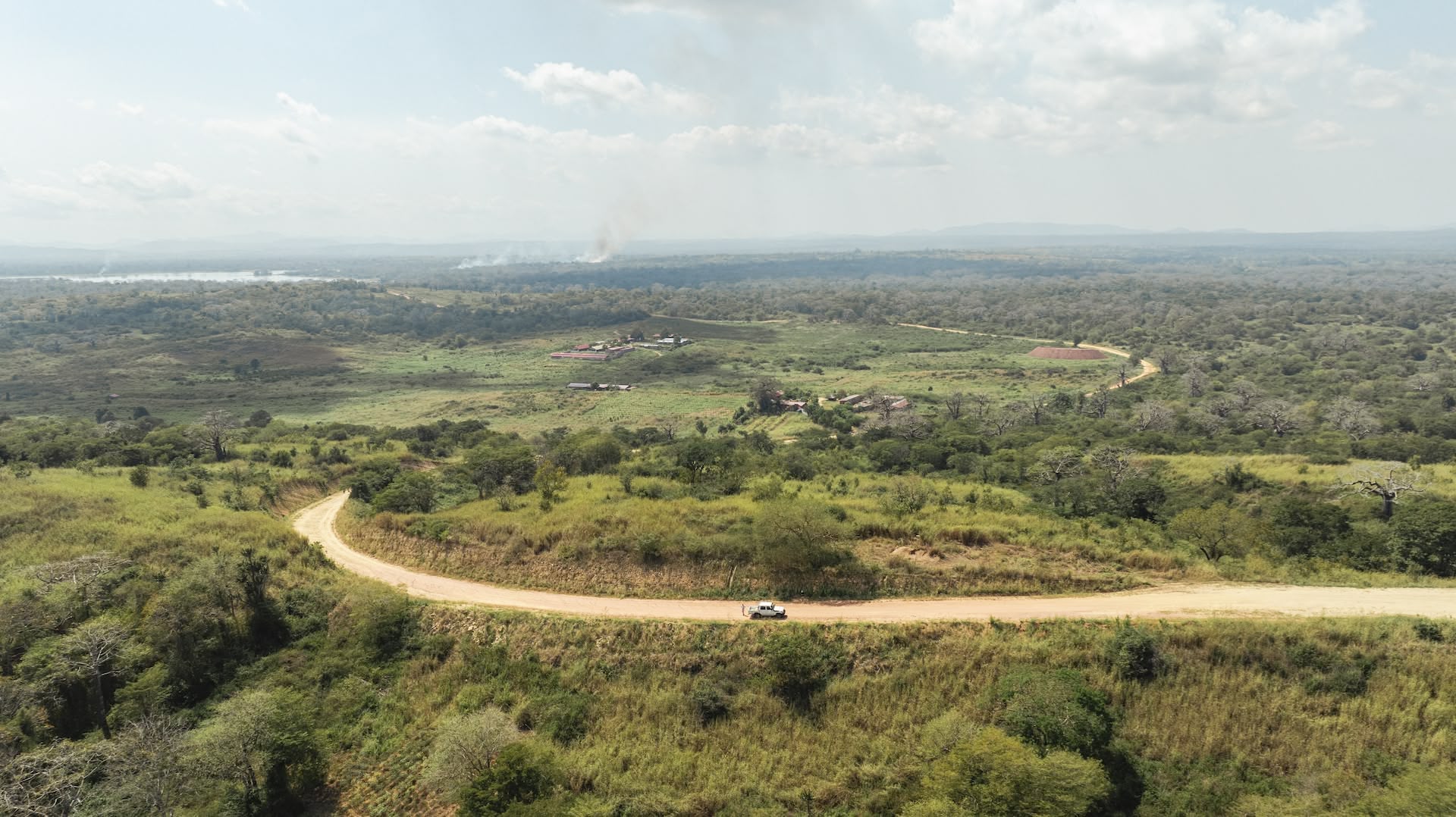
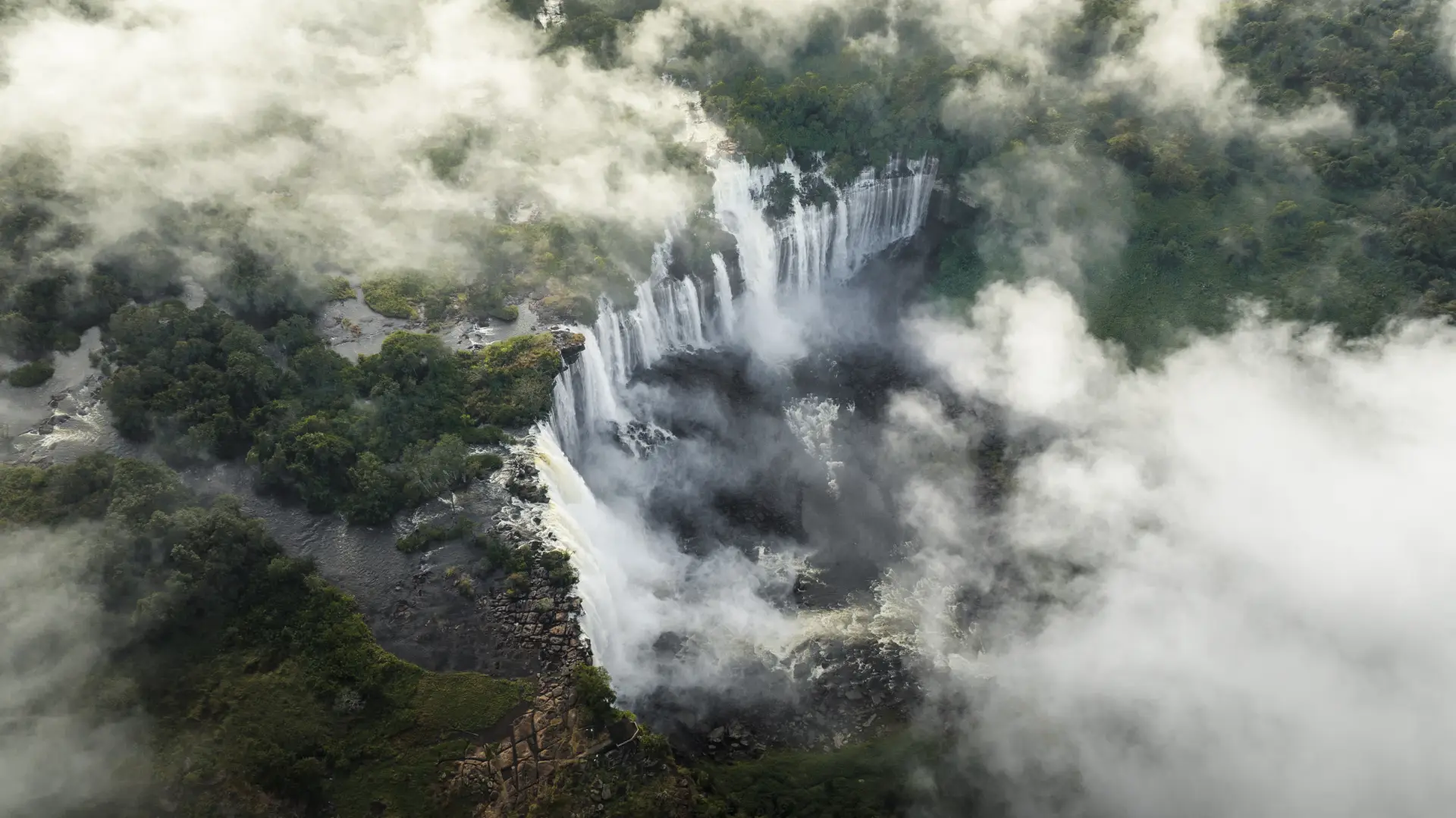
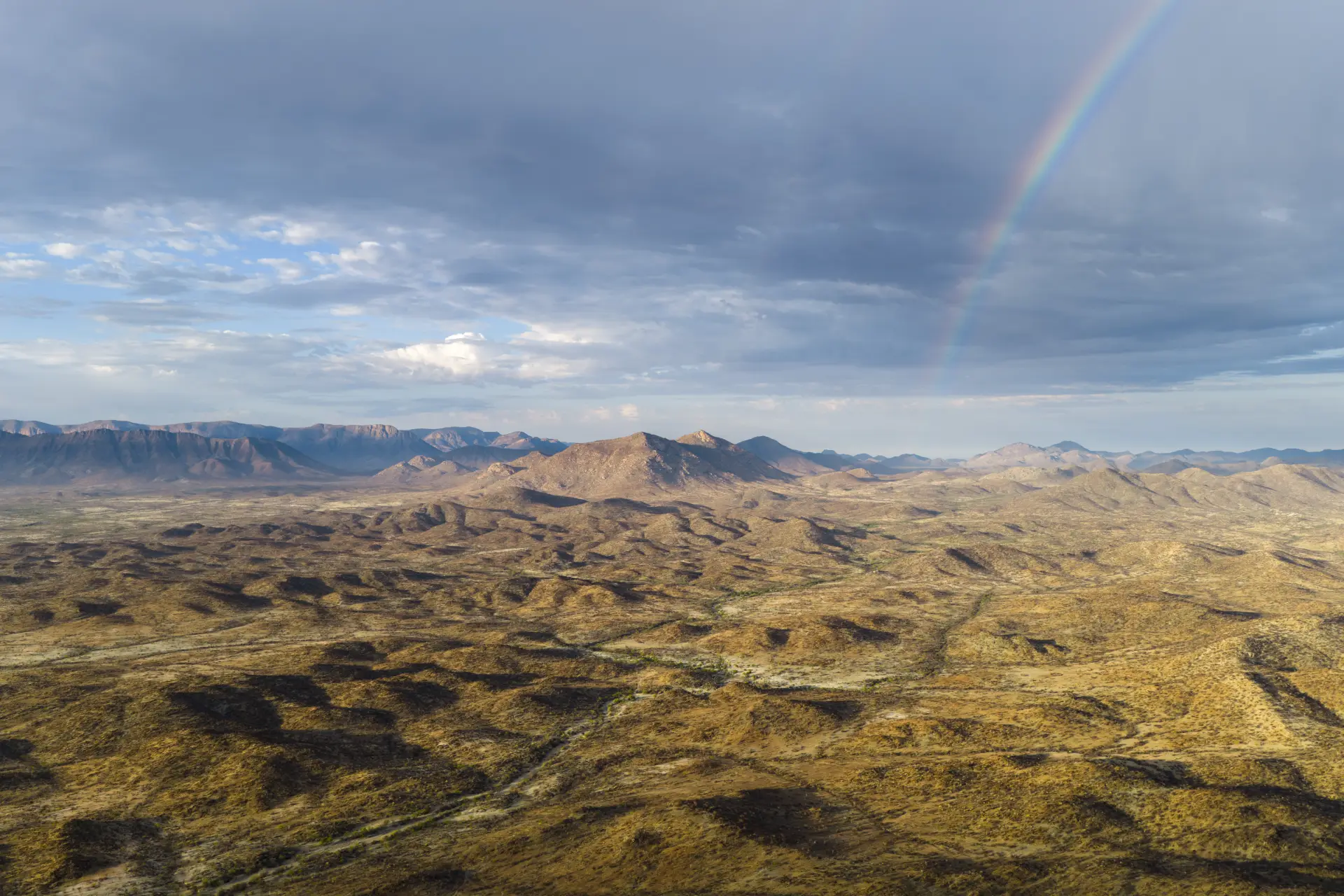
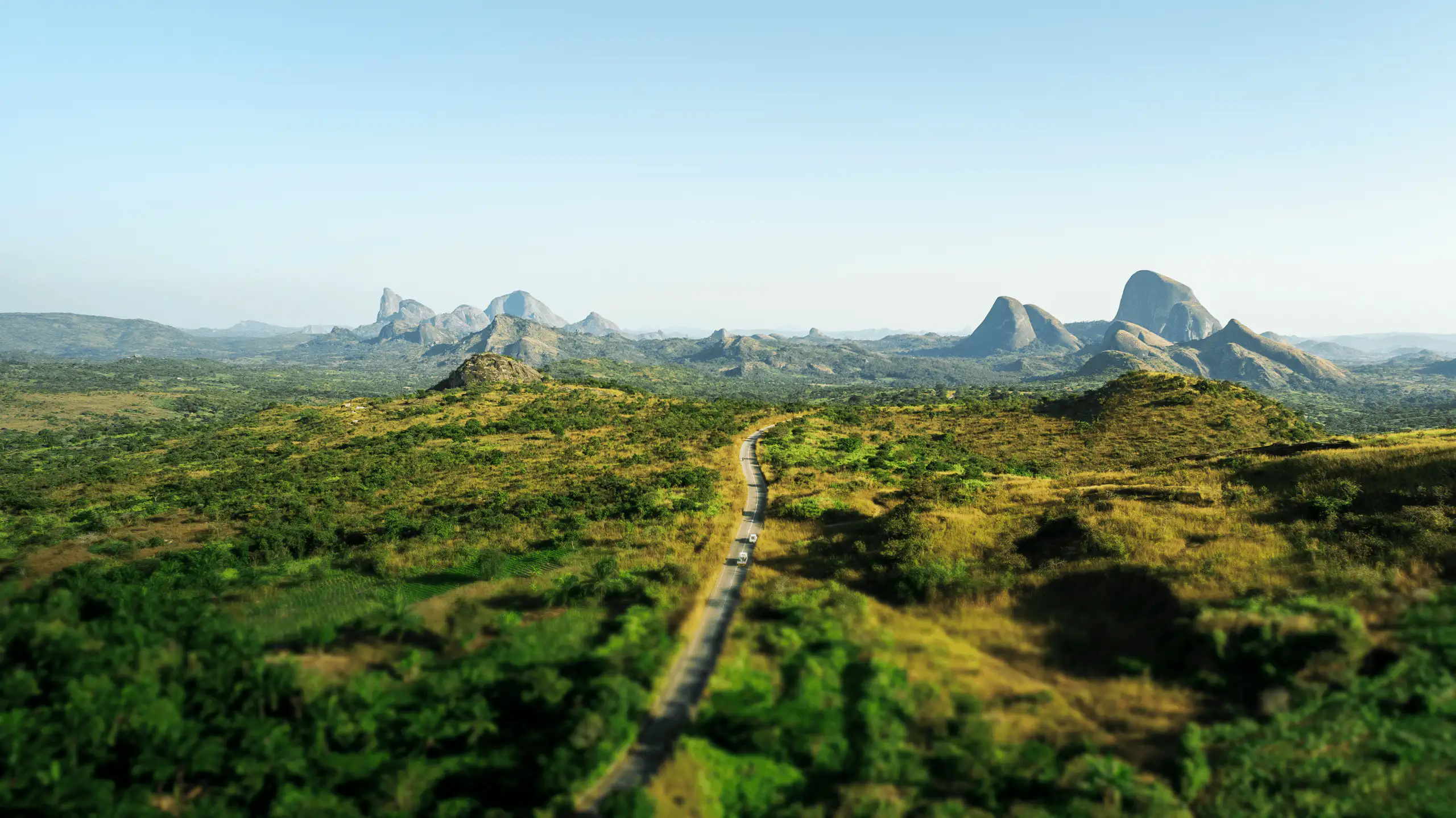
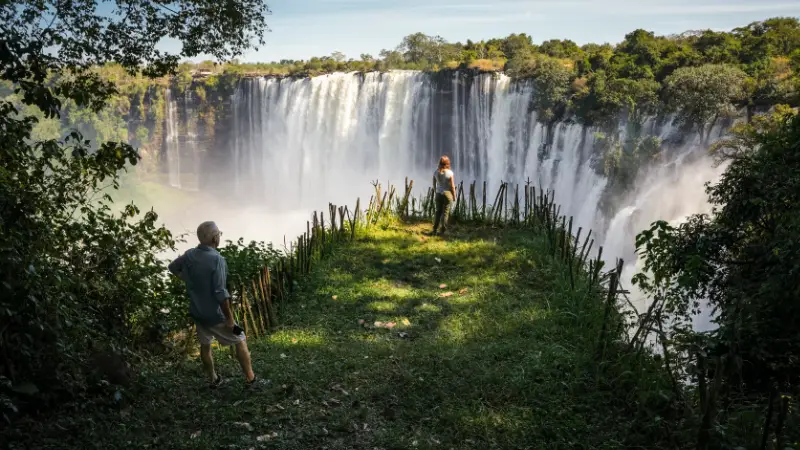
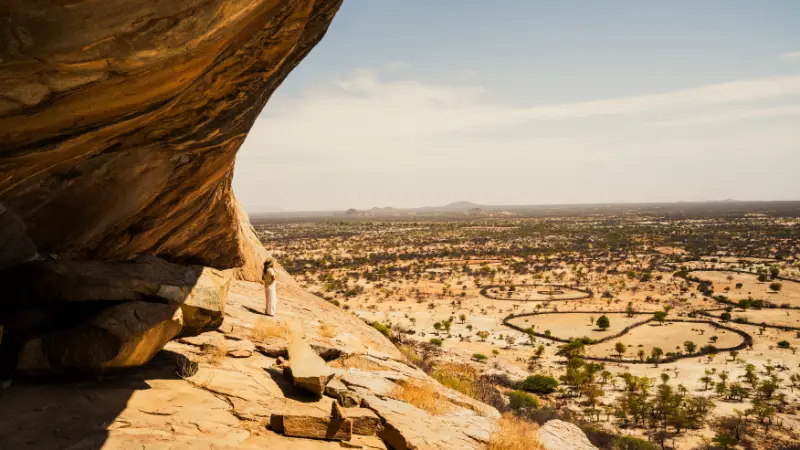
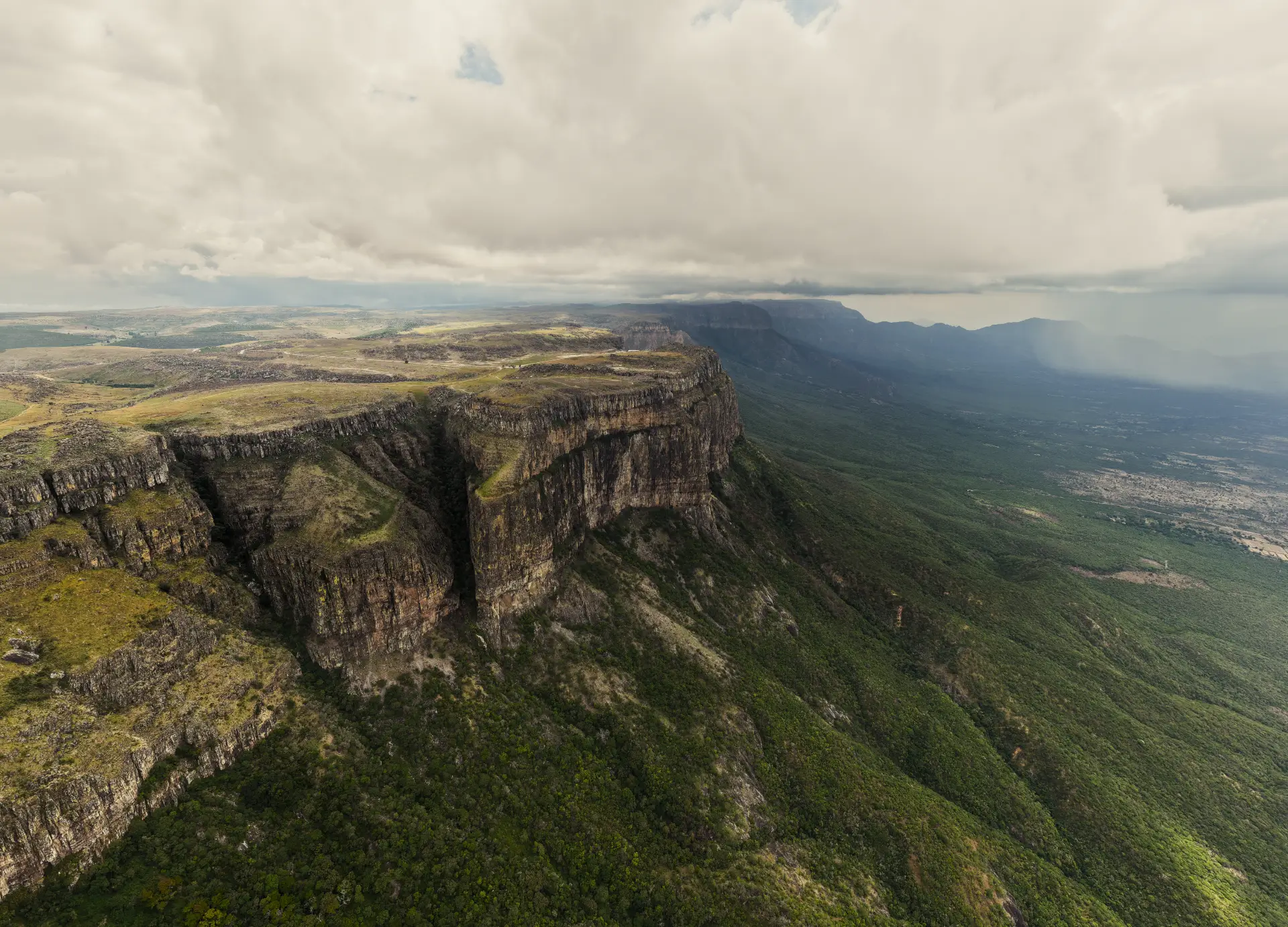
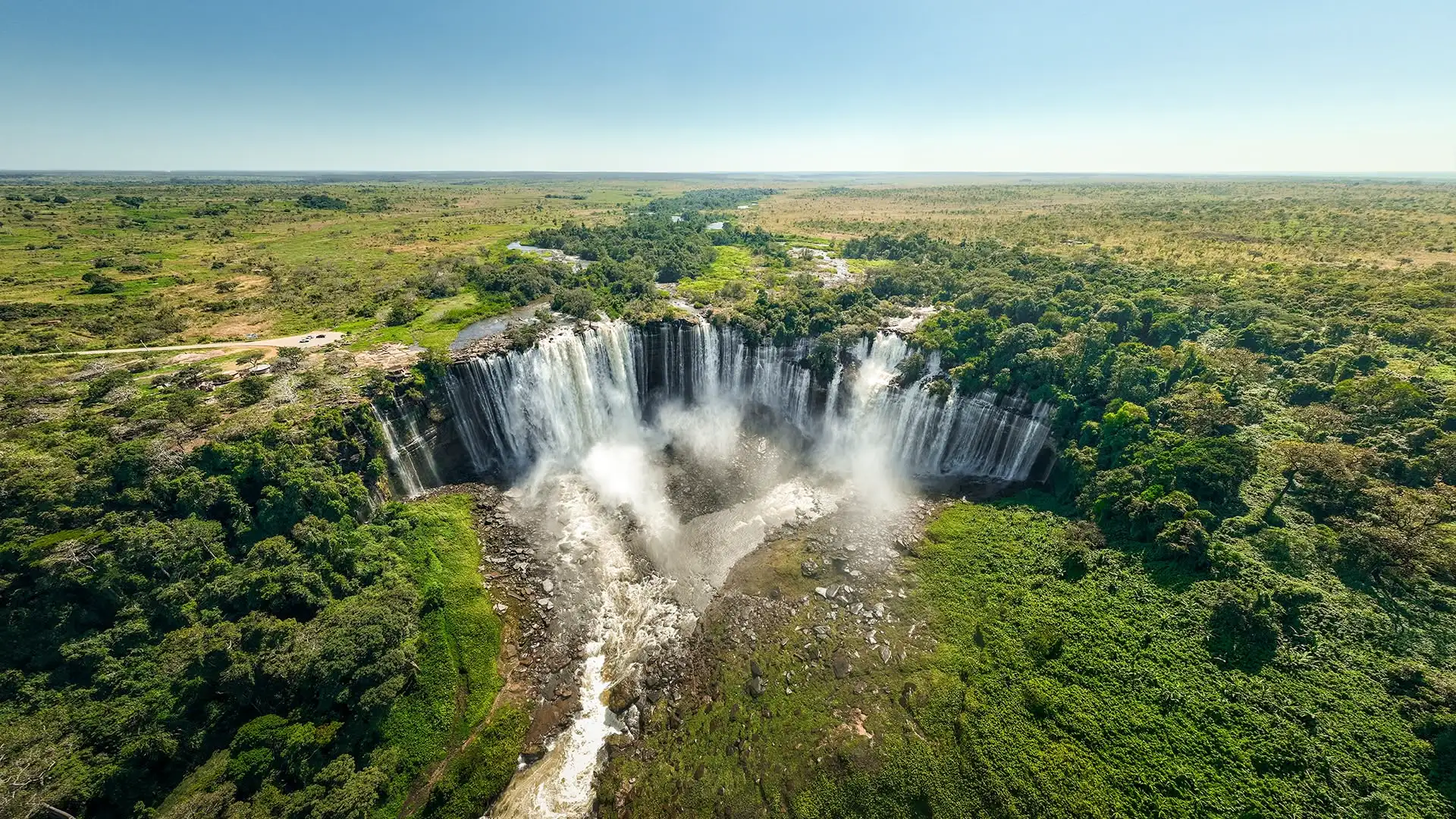
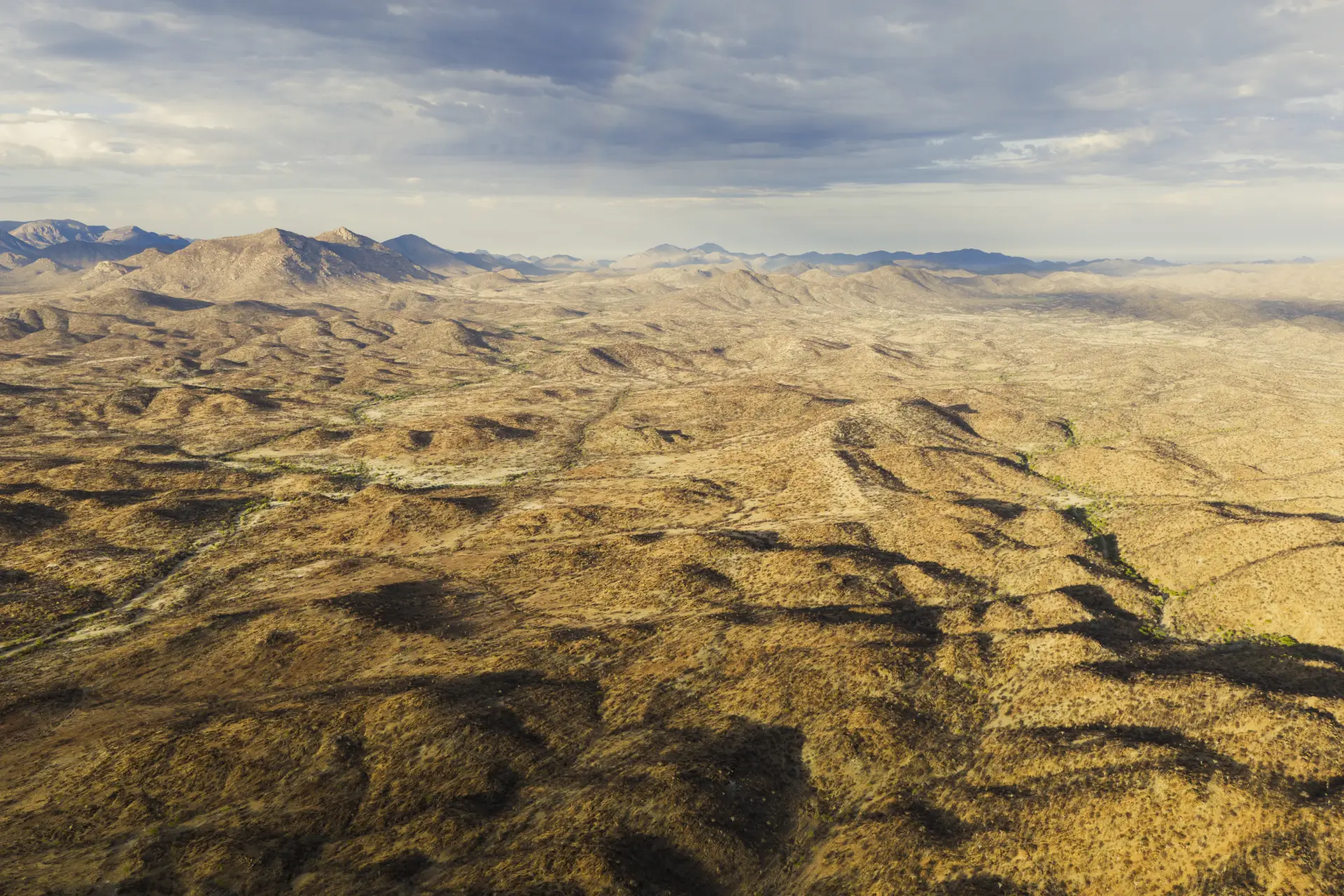
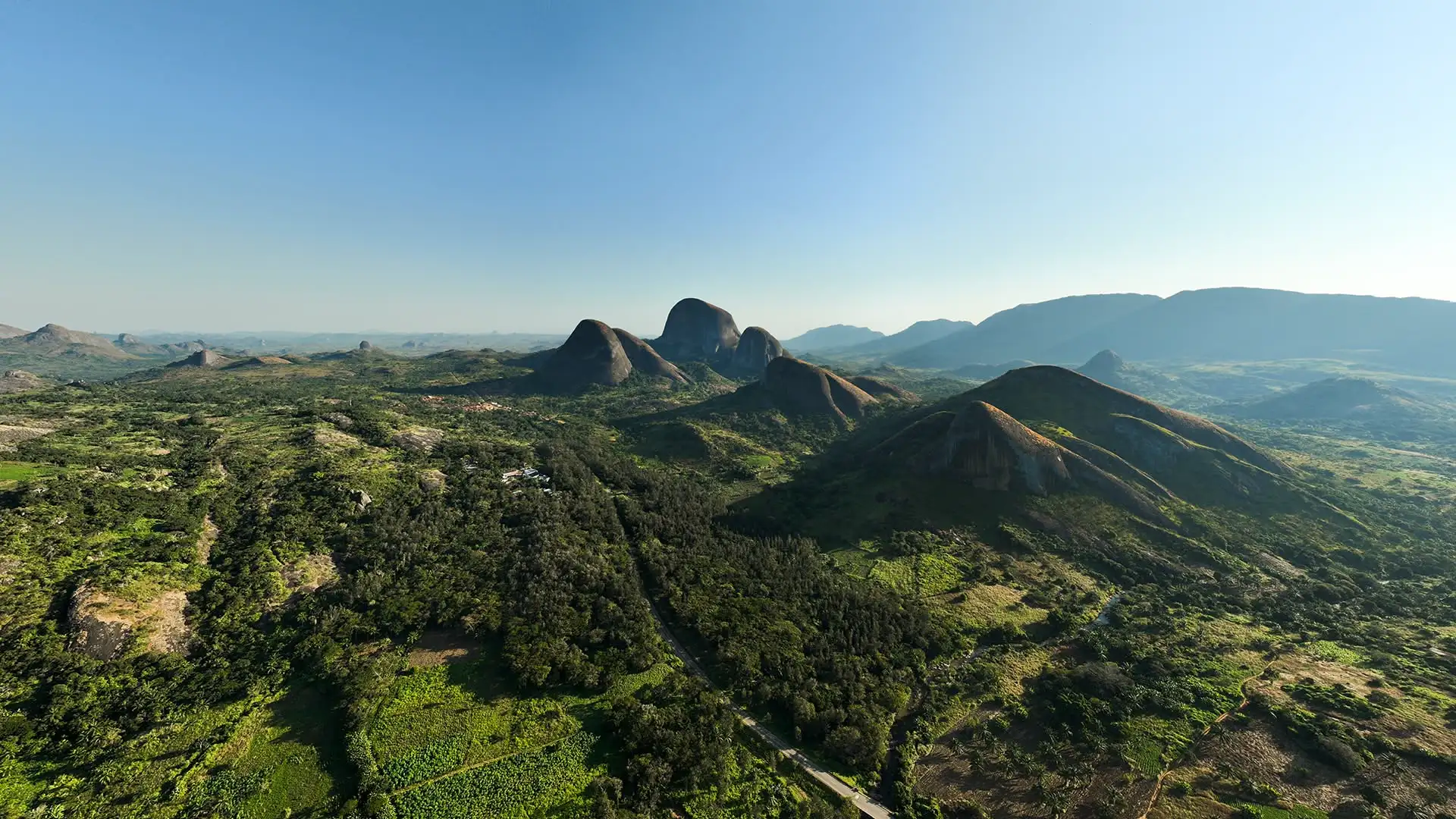
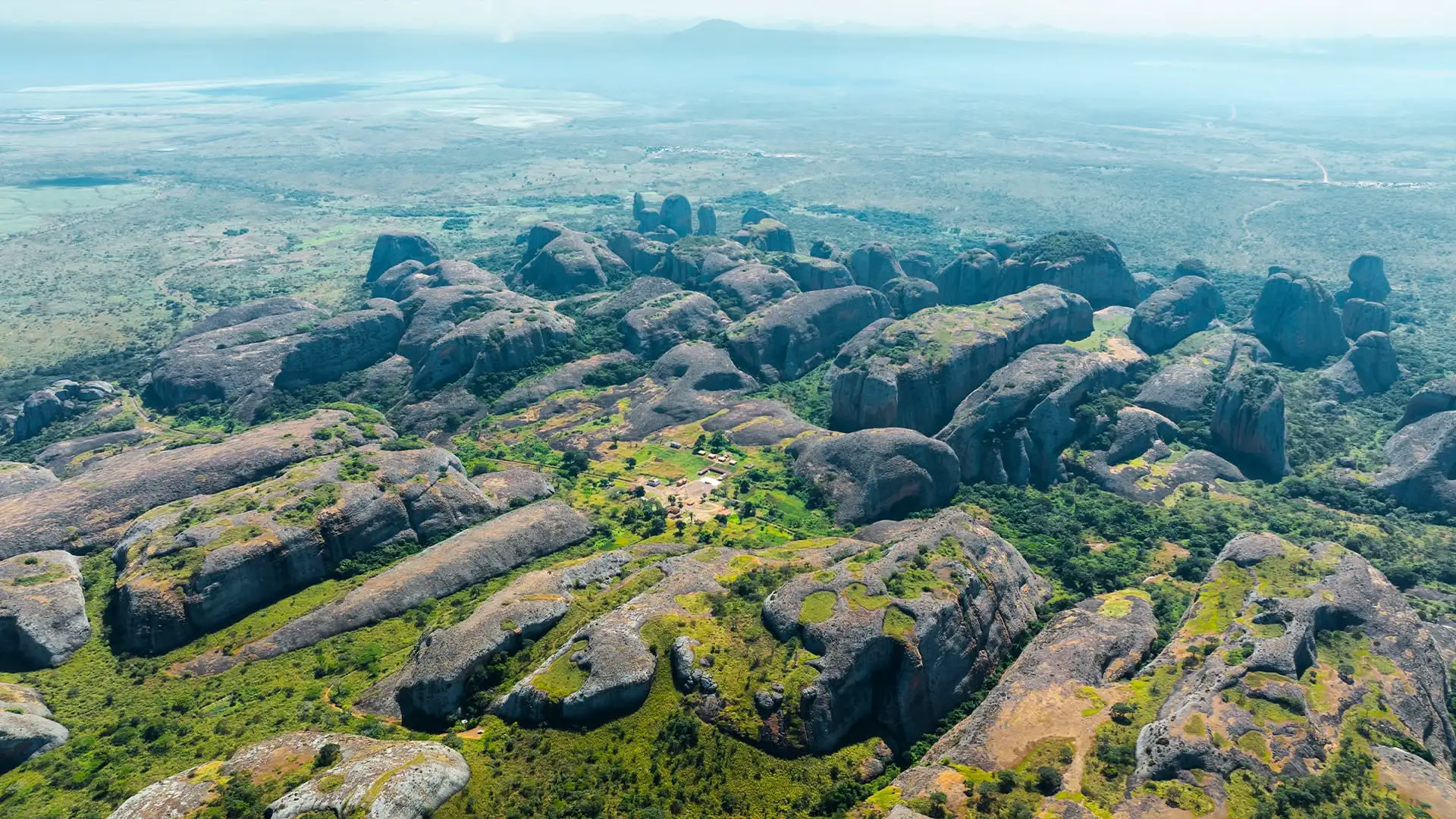
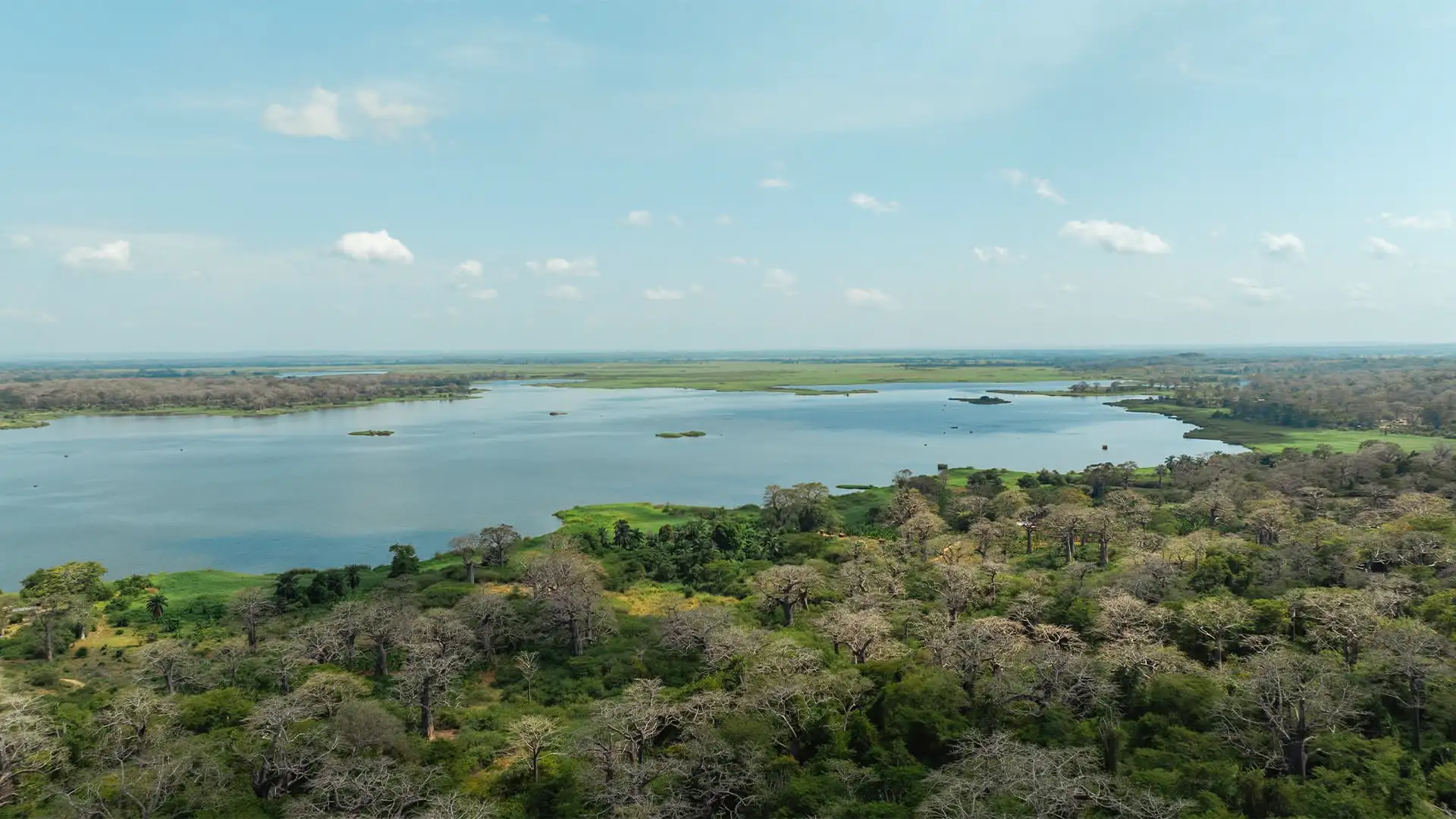
From the lush Mayombe forest to the arid Namibe Desert, from the rivers of Cuando-Cubango to Quiçama National Park, from the magnificent Kalandula Falls to the empty Atlantic beaches, Angola offers visitors a wealth of landscapes, each more striking than the last.
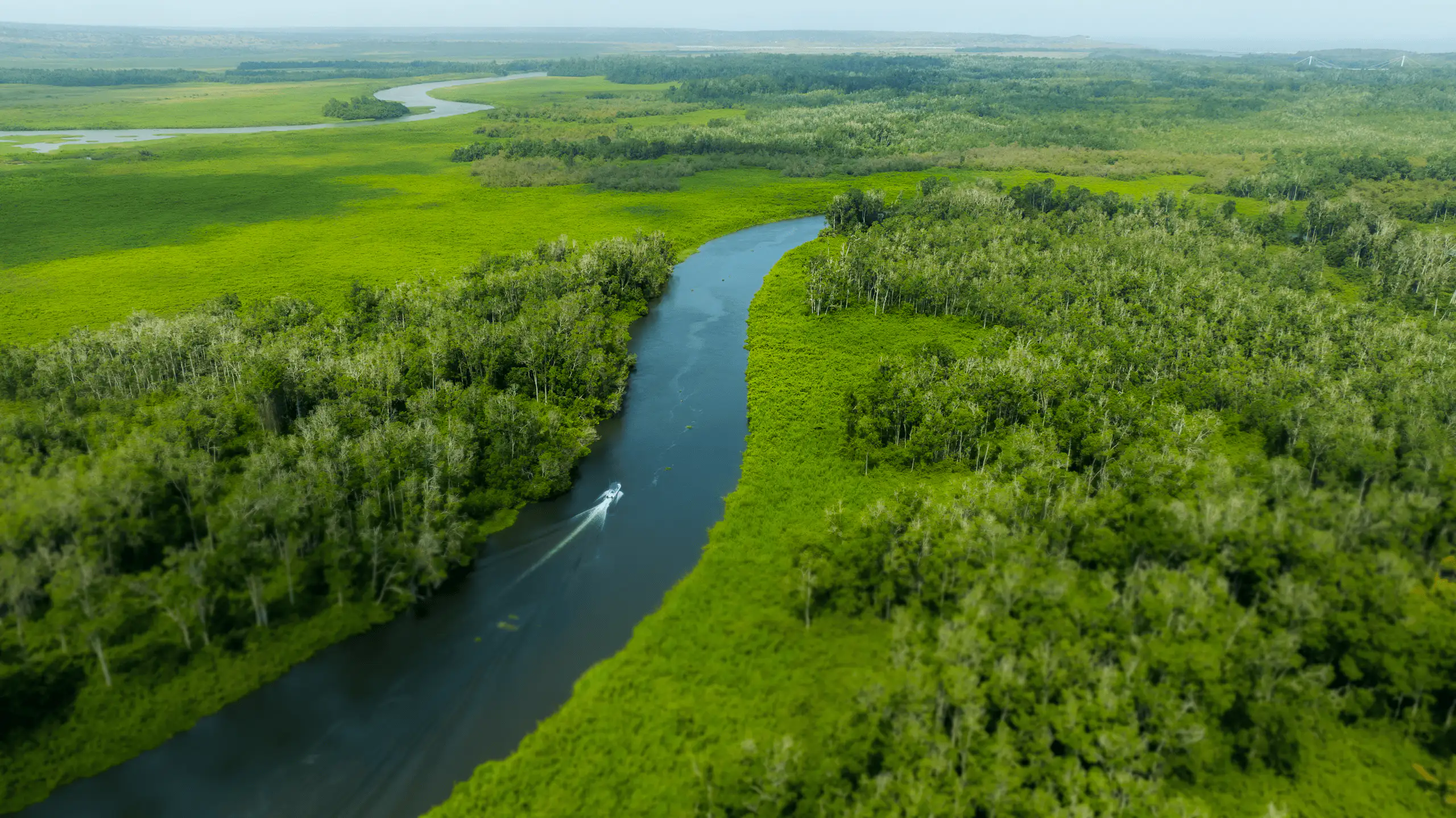
Wildlife
With seven national parks, Angola offers plenty of choice for photo safari lovers: Quiçama National Park, 70 km from the capital, Cangandala, a true sanctuary for the giant sable antelope, and the Mayombe forest, known as the Amazon of Africa, home to great apes such as chimpanzees and gorillas.
Great ethnic diversity
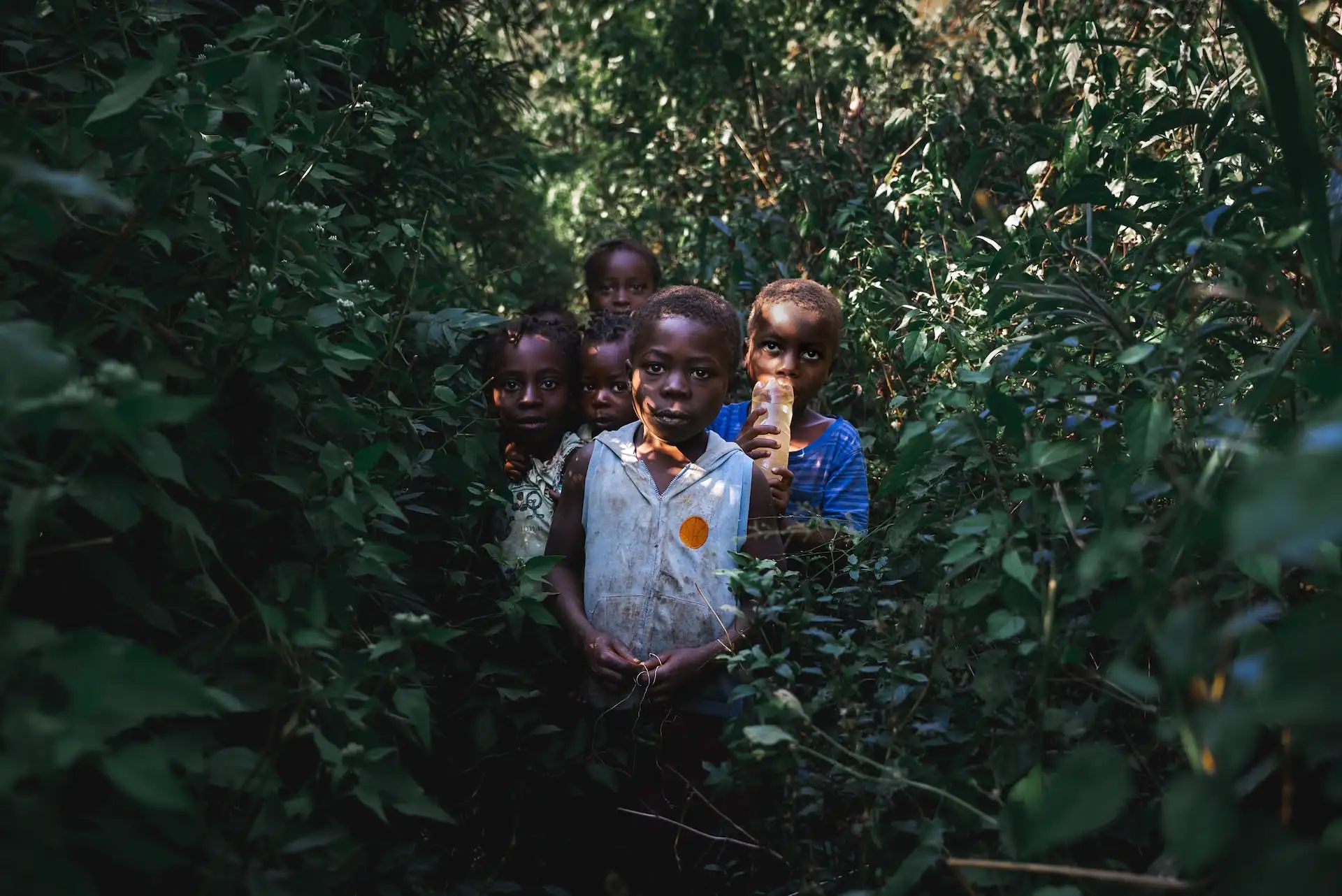
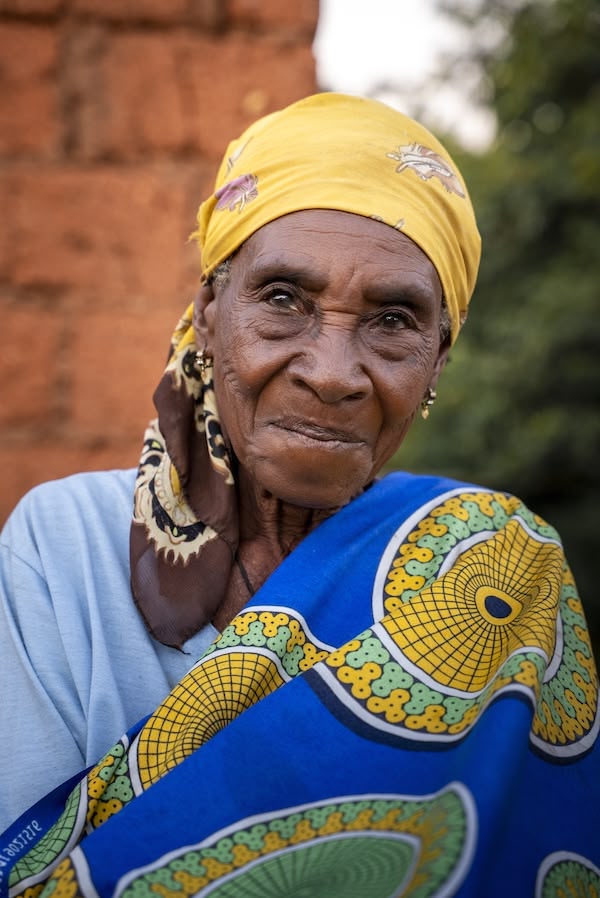
Cut off from the rest of the world and from the country's economic boom, the peoples of southern Angola have kept customs and a way of life from another time. Few visitors have met the Mucawana, the Mucubal or the Himba, forgotten tribes last described in ethnographic works in the 1930s. Come and discover their culture and customs with us.
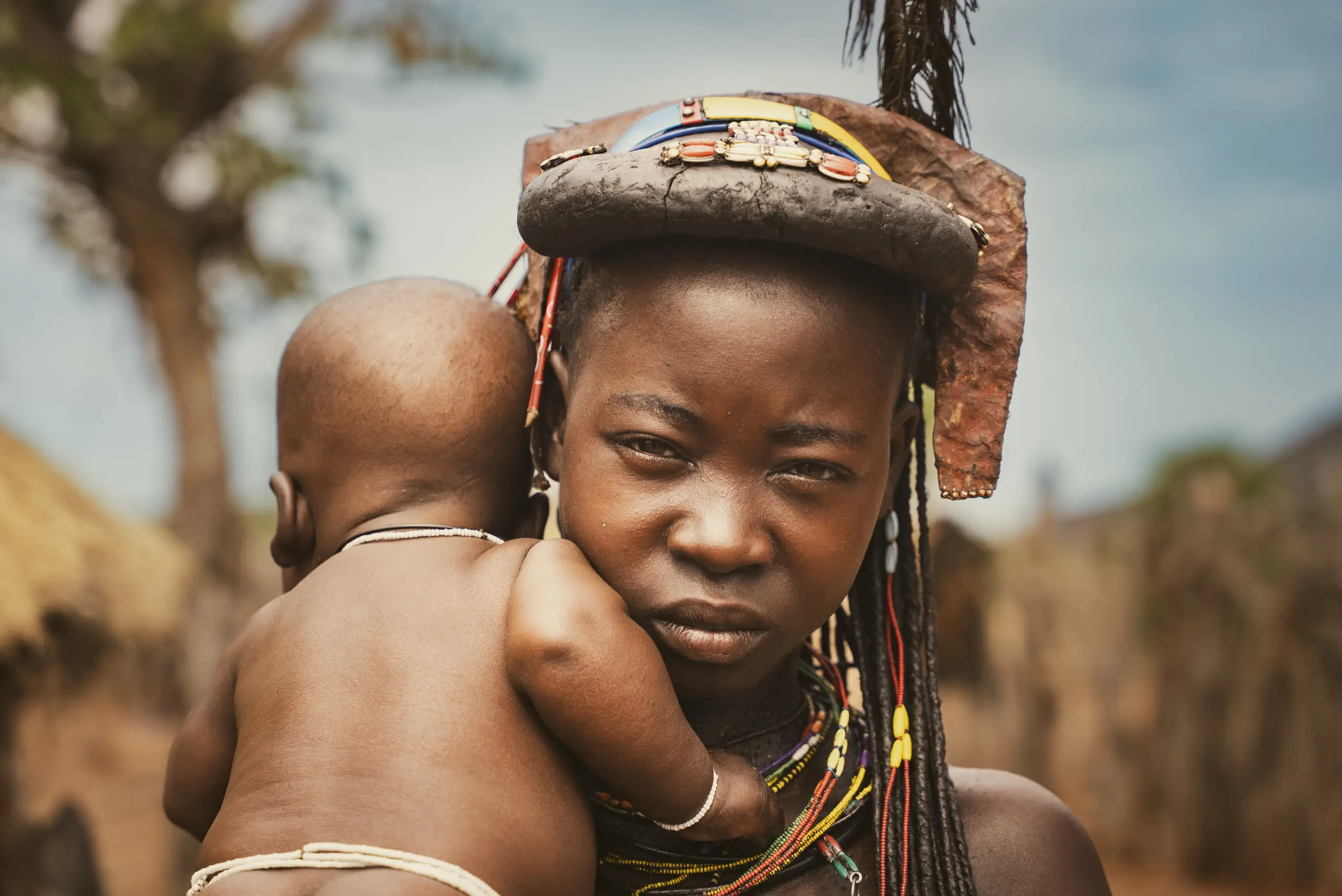
Why travel to Angola with Explora... Palanca Safaris?
Travelling in Angola means discovering an unspoilt Portuguese-speaking country with a rich and complex history, deep-rooted cultures and generous cuisine. You eat well, share simple and sincere moments, and every encounter matters. Still rarely visited, Angola offers a rare, authentic travel experience far from mass tourism. Choosing Explora Palanca Safaris means choosing a quality trip, planned down to the last detail, combining authenticity, comfort and conviviality.
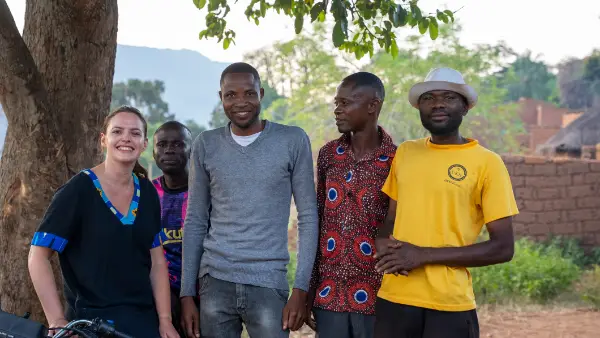
Local expertise
Explora... Palanca Safaris is deeply rooted in Angola, with detailed knowledge of the terrain, its people and local realities. Every itinerary is built on real experience of the country.
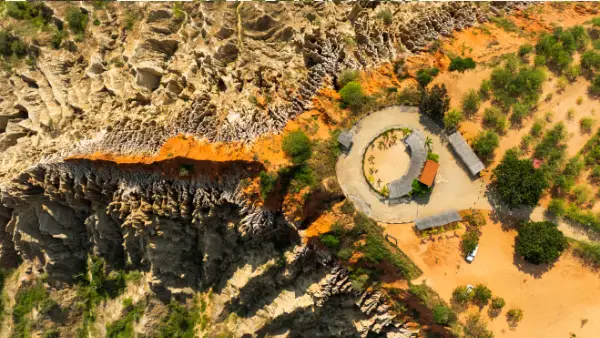
Seamless logistics
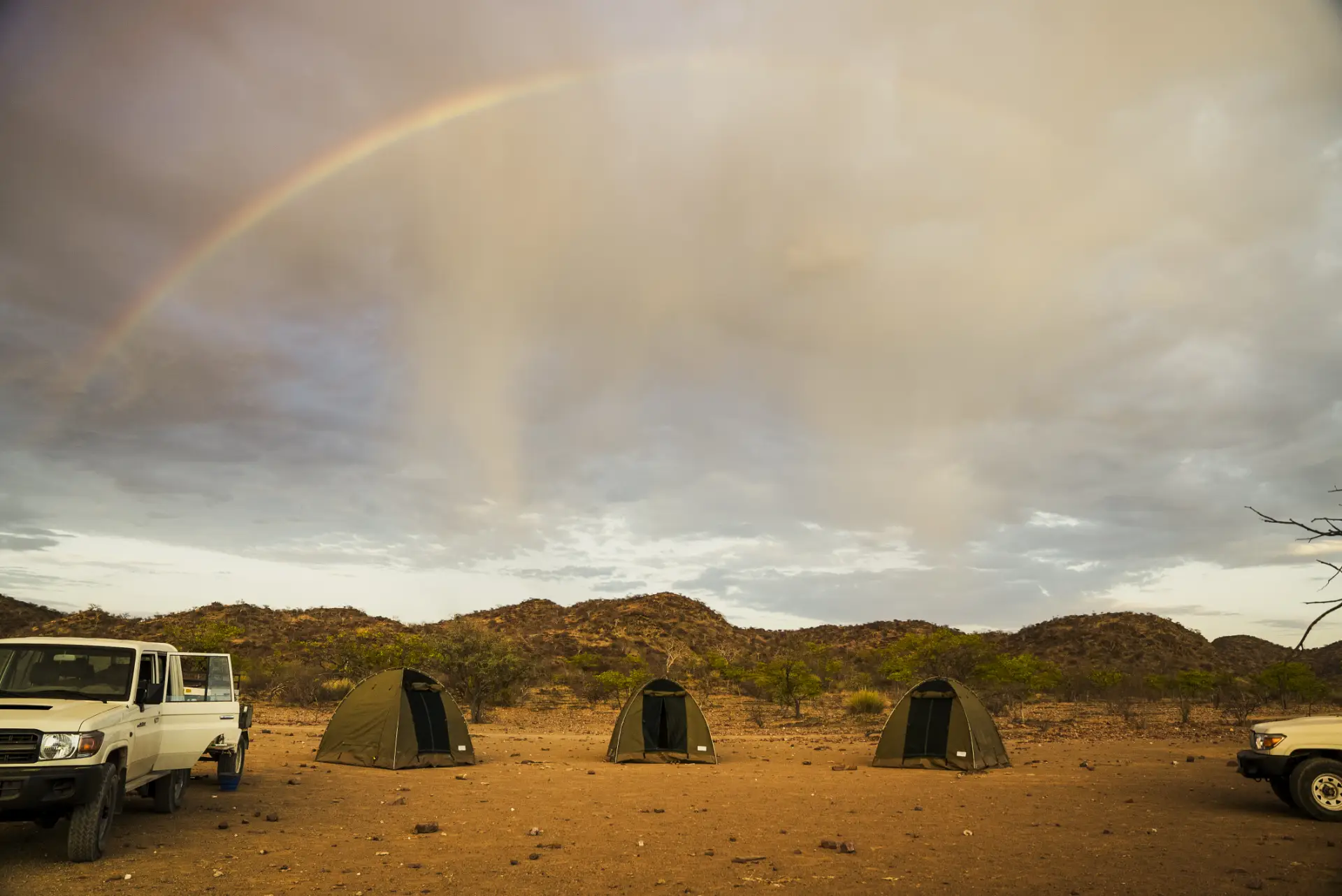
Travelling in Angola calls for rigour and careful planning. Transport, accommodation, equipment and supplies are carefully organised to ensure a smooth, stress-free trip, even in the most remote regions.
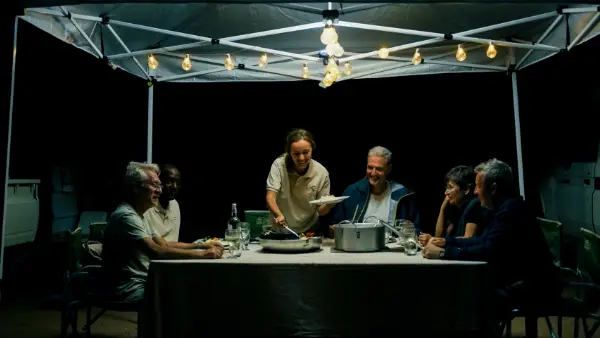
Personal support
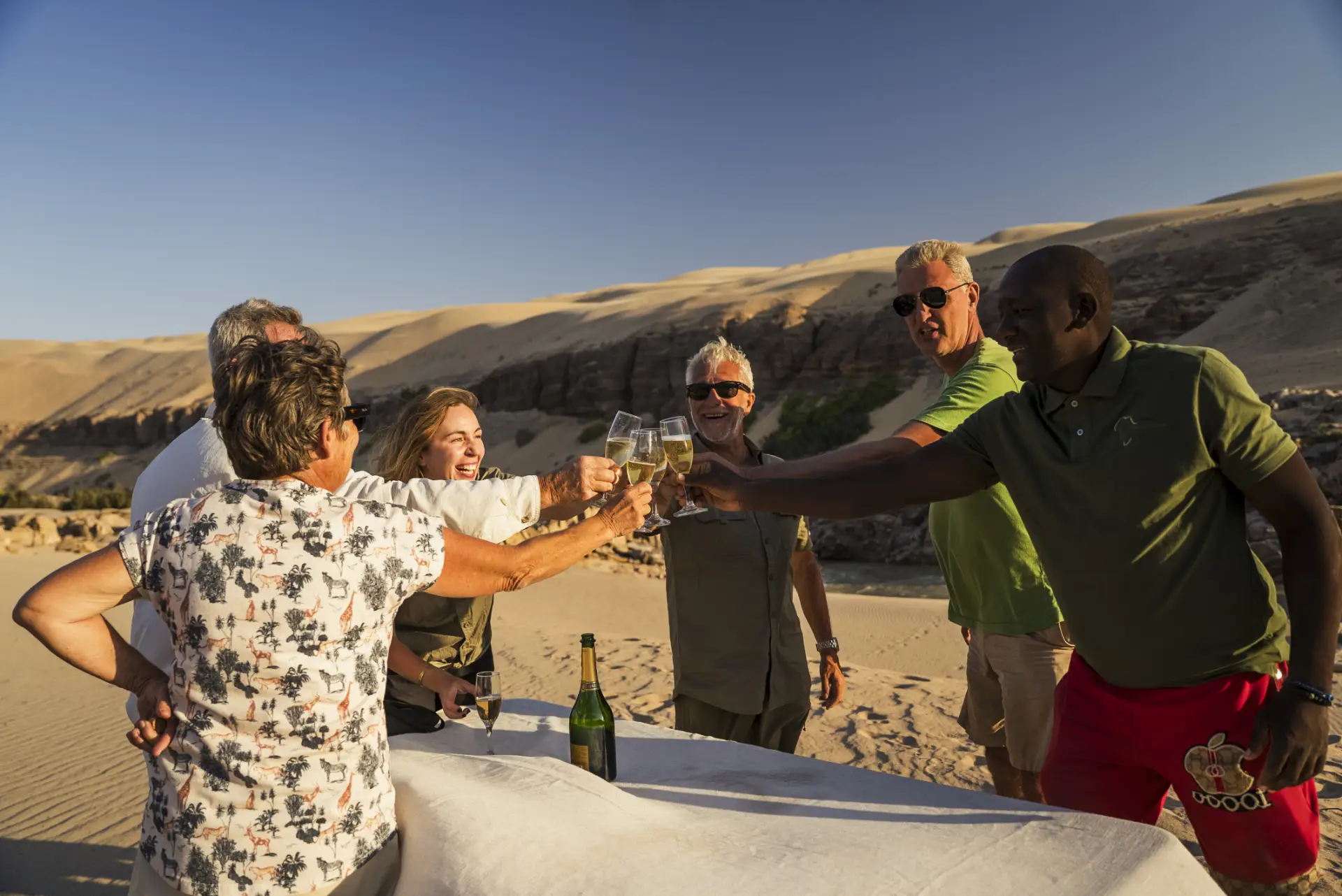
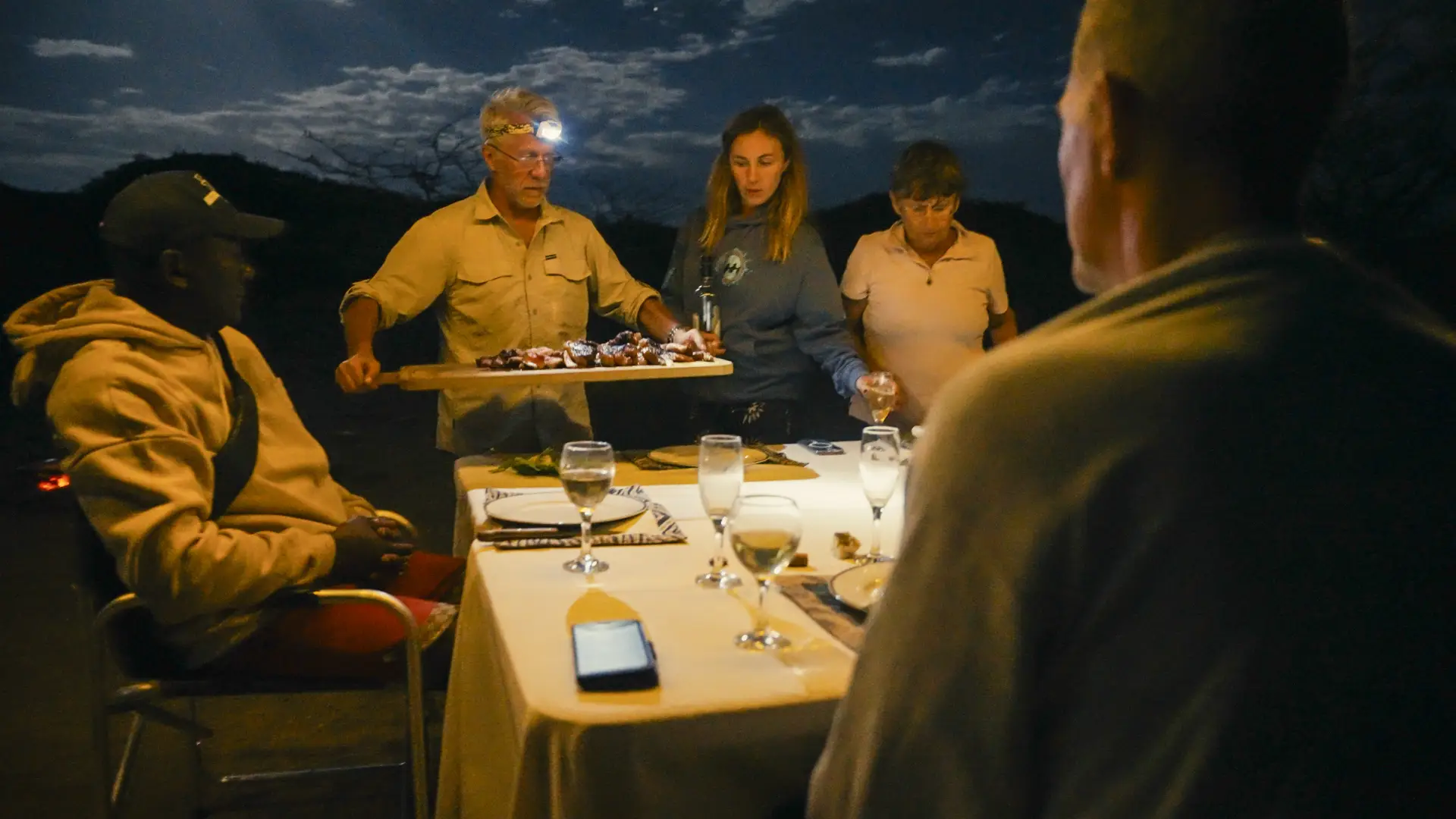
Every trip is led by experienced guides who look after travellers' wellbeing and the quality of shared moments, out in the field as well as around the table.
Our tours on film
Jungle, desert, remote villages and wildlife: get a glimpse of the very best Angola has to offer.
Fun facts about Angola
Ngola
Angola takes its name from the former Kingdom of Ndongo, whose kings bore the title "Ngola".
2005
The giant sable antelope (Palanca Negra), endemic to Angola, was rediscovered in 2005 after the species was thought to be extinct.
Khoi
Angola's first inhabitants were the nomadic Khoi and the San, who lived by hunting and gathering.
105 m
Kalandula Falls are the second largest waterfalls in Africa, 105 metres high and 400 metres wide.
1484
The Portuguese were the first Europeans to set foot in Angola. The explorer Diogo Cão arrived in 1484.
10%
Around 10% of the world's diamonds come from Angola, making it one of the largest producers in the world.
PRACTICAL INFORMATION

Entry requirements
Many nationalities, including citizens of the EU, the UK and the US, can visit Angola visa-free for short tourist stays. A passport valid for at least 6 months after your return date and a return ticket are required on arrival. Check the current rules for your nationality before booking.

Currency
The local currency is the kwanza. Euros and US dollars can easily be exchanged in Luanda, at banks and bureaux de change.

Electricity
Sockets are the European type (two round pins). UK and US travellers will need an adapter.

Safety
Angola has been a stable and safe destination since the end of the civil war in 2002. As in any large city, stay alert, avoid walking alone at night and keep your valuables in a safe place.

Health
Yellow fever vaccination is mandatory and must be recorded on your international certificate of vaccination. Antimalarial treatment is strongly recommended, and routine vaccinations should be up to date.

Seasons
Angola can be visited all year round. The dry season, from May to October, brings pleasant temperatures, ideal for tours and safaris. The rainy season, from November to April, is still pleasant, with mostly short showers and slightly warmer temperatures. In the desert south, temperatures vary more: hot during the day, cooler in the morning and evening.
Join our tours and discover the real Angola
Head off the beaten track, where Africa is still true to itself. Deep forests, forgotten peoples, rare wildlife and untouched landscapes: Angola offers what few countries can still promise, pure wonder. Live a rare, human and unforgettable adventure with us.