Northern Circuit – Diverse Landscapes of Northern Angola
An adventure off the beaten track
Northern Circuit – Diverse Landscapes. This tour through the heart of an Angola that remains largely undiscovered offers an ideal introduction to the country. From lush forests and spectacular waterfalls to wild Atlantic coastlines and colonial heritage, the journey reveals a land of striking contrasts. The itinerary continues to the Atlantic Ocean at Cabo Ledo, with a safari excursion in Quiçama National Park. This balanced route blends scenery, history, and local encounters, designed for a relaxed pace with minimal driving time. It is the perfect itinerary for discovering the essence of Angola off the beaten path, while enjoying carefully selected lodges and hotels.
Detailed itinerary
Luanda → Massangano
Welcome in Luanda. Drive to Massangano and visit of the historic ruins.
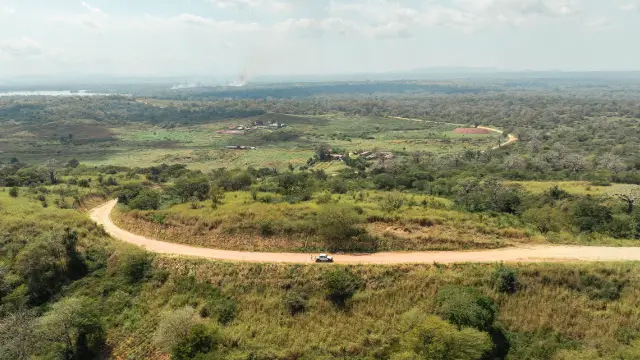
Massangano → Kalandula
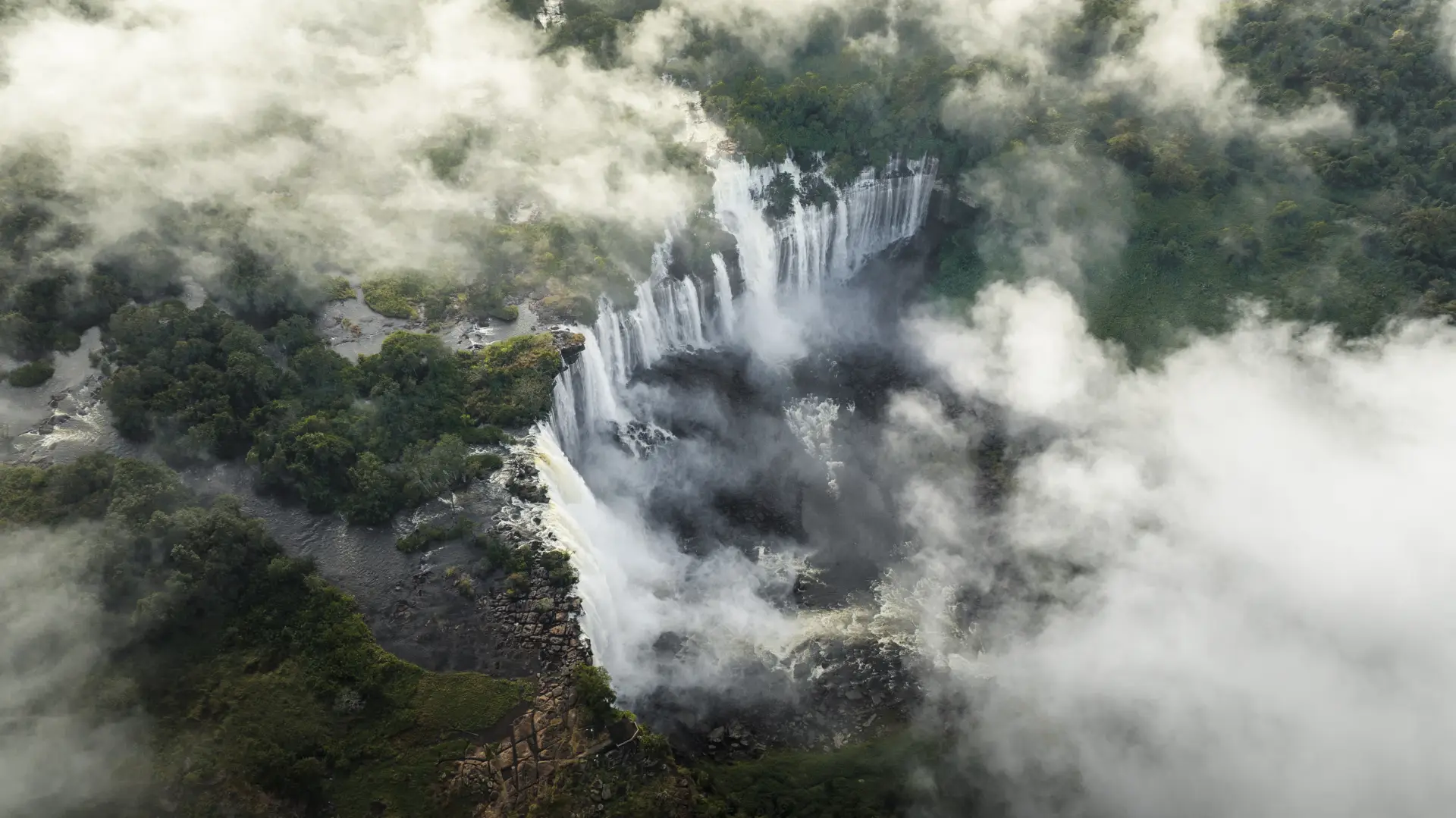
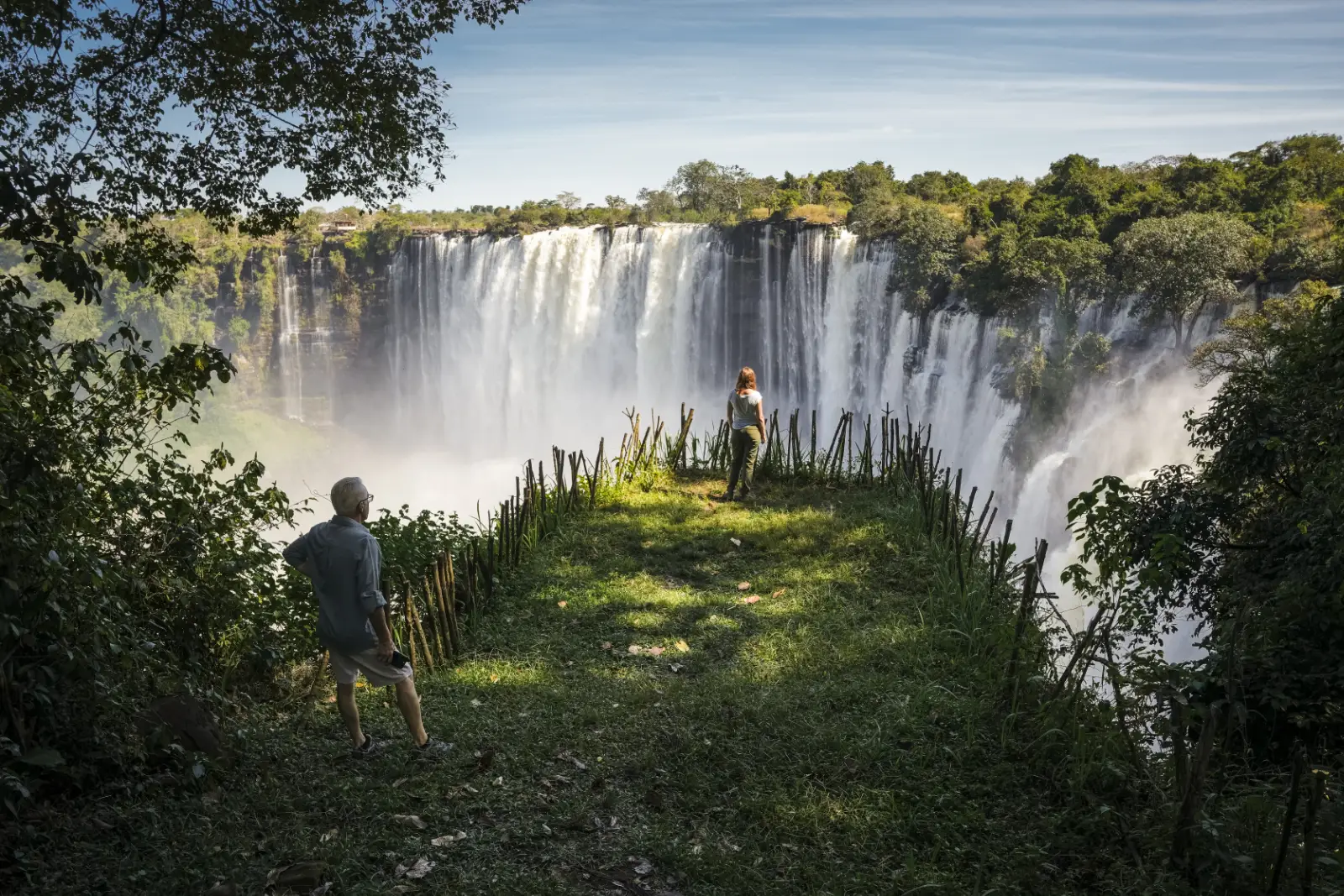
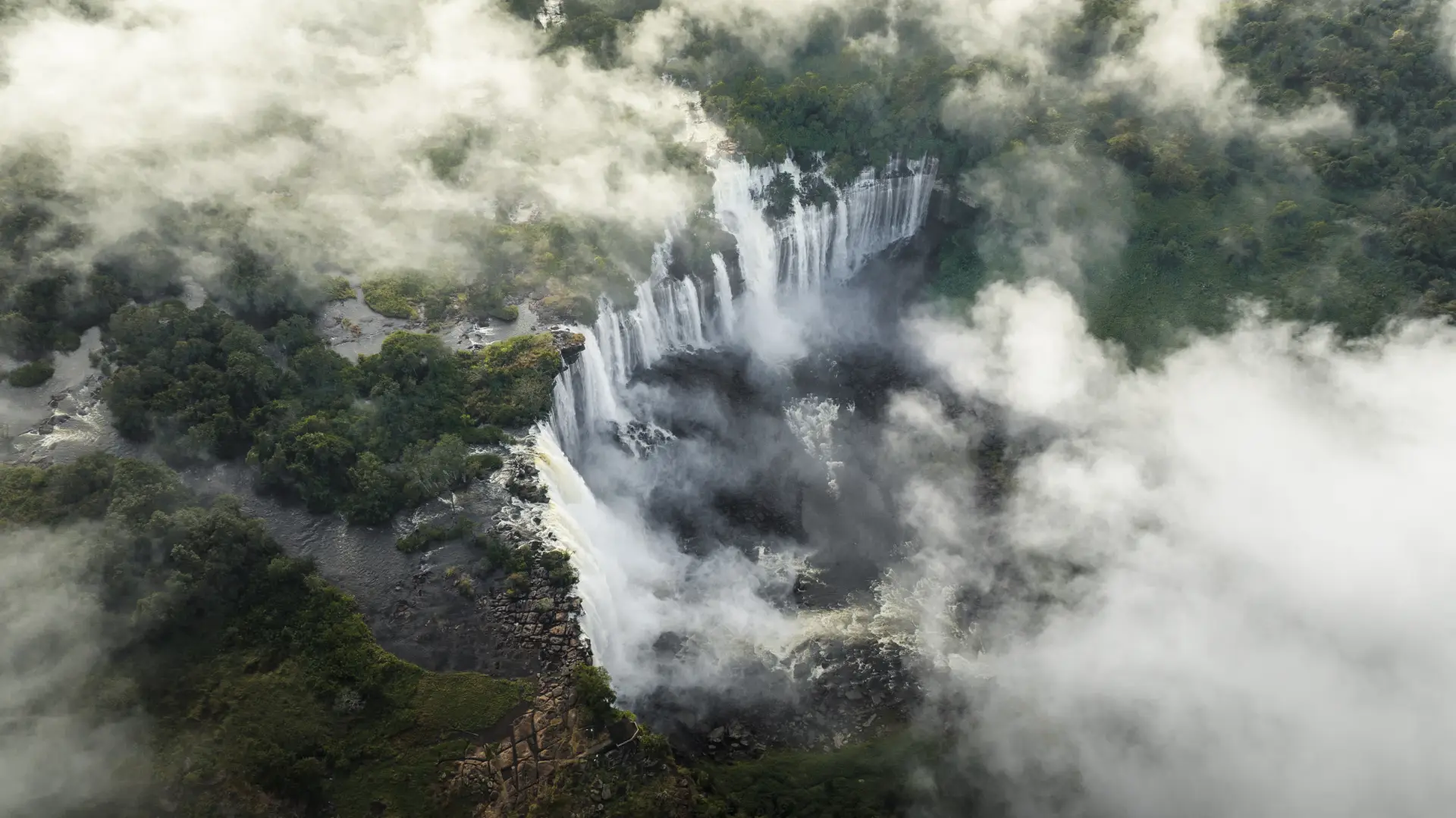
Drive to Kalandula Falls. Check-in and first look at the site.
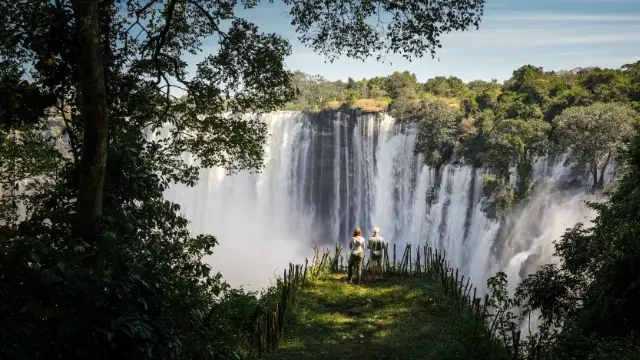
Kalandula
Exploring the falls and a scenic hike.
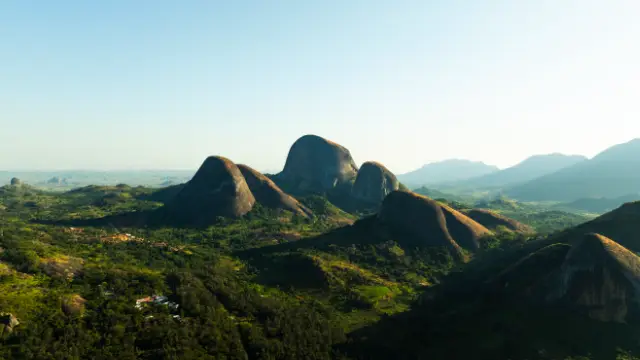
Pedras Negras → N’Dalatando
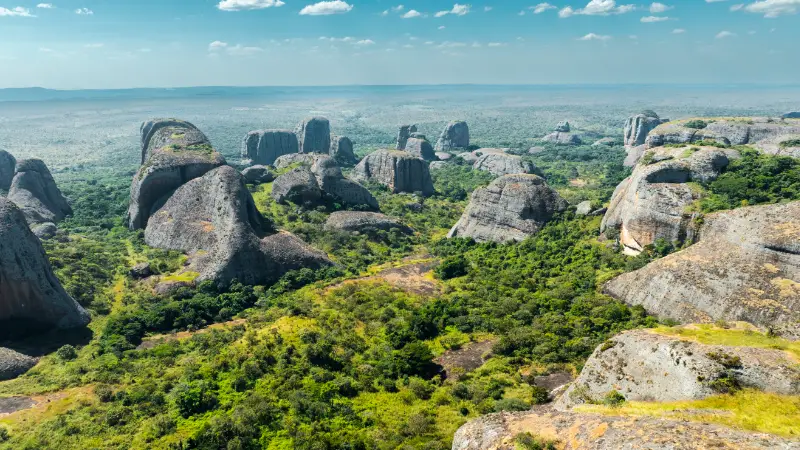
Discovery of the impressive rock formations, then drive to N’Dalatando.
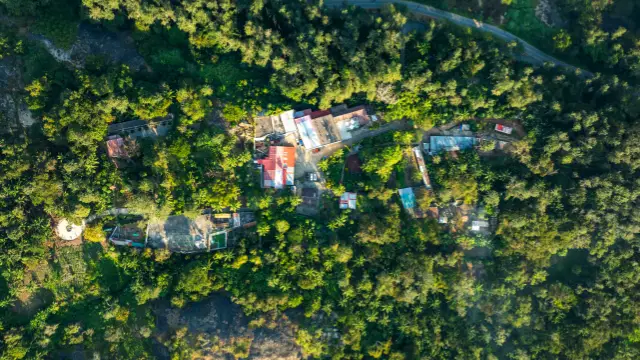
N’Dalatando → Conda
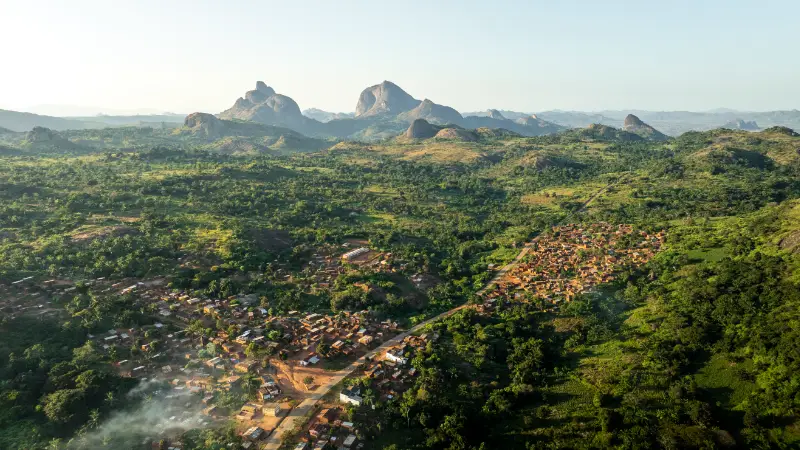
Through green landscapes to the Fazenda de Conda.
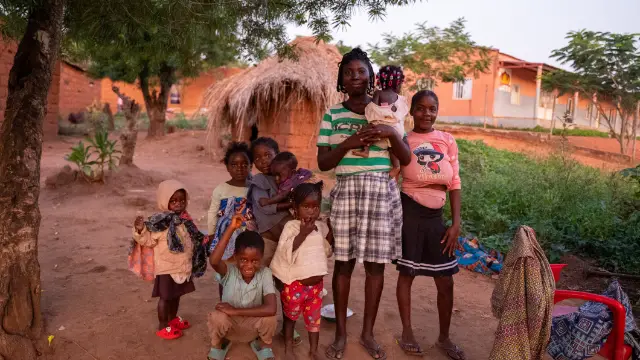
Conda
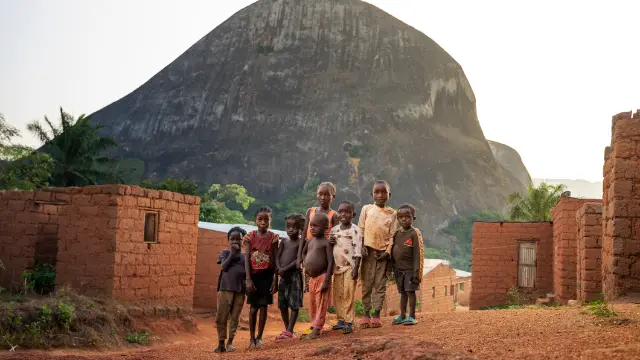
A day of nature and local encounters around the Fazenda.
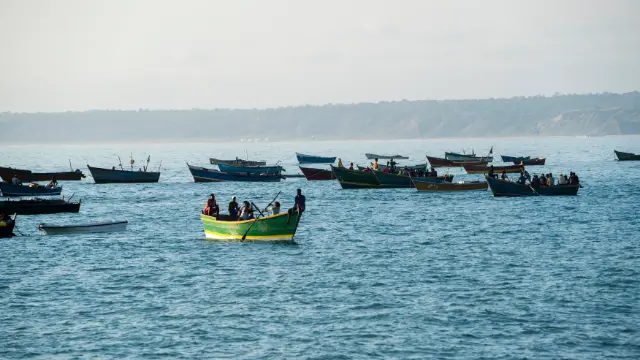
Conda → Cabo Ledo
Drive to the Atlantic coast, stop at Binga Falls, check-in facing the ocean.
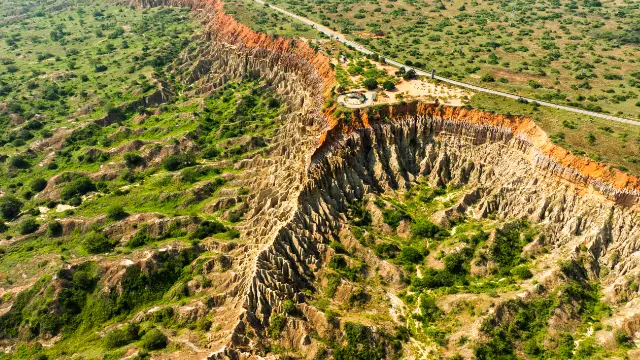
Cabo Ledo & Quiçama Safari
Safari in Quiçama National Park, then free time in Cabo Ledo.
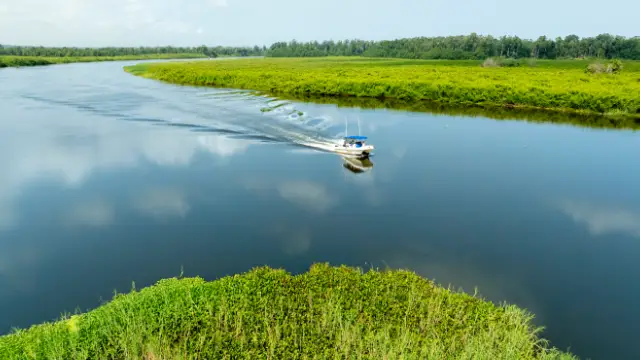
Kwanza River → Miradouro da Lua → Luanda
Boat trip on the Kwanza River, visit to the Miradouro da Lua and return to Luanda.
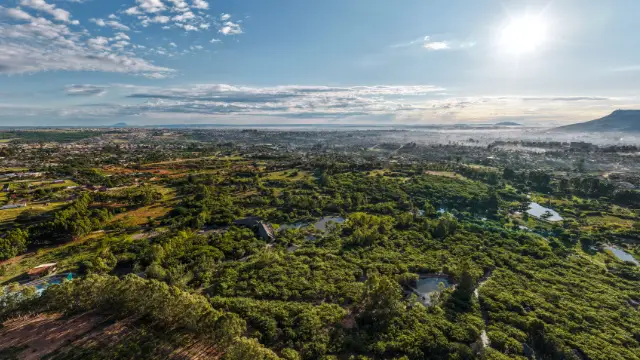
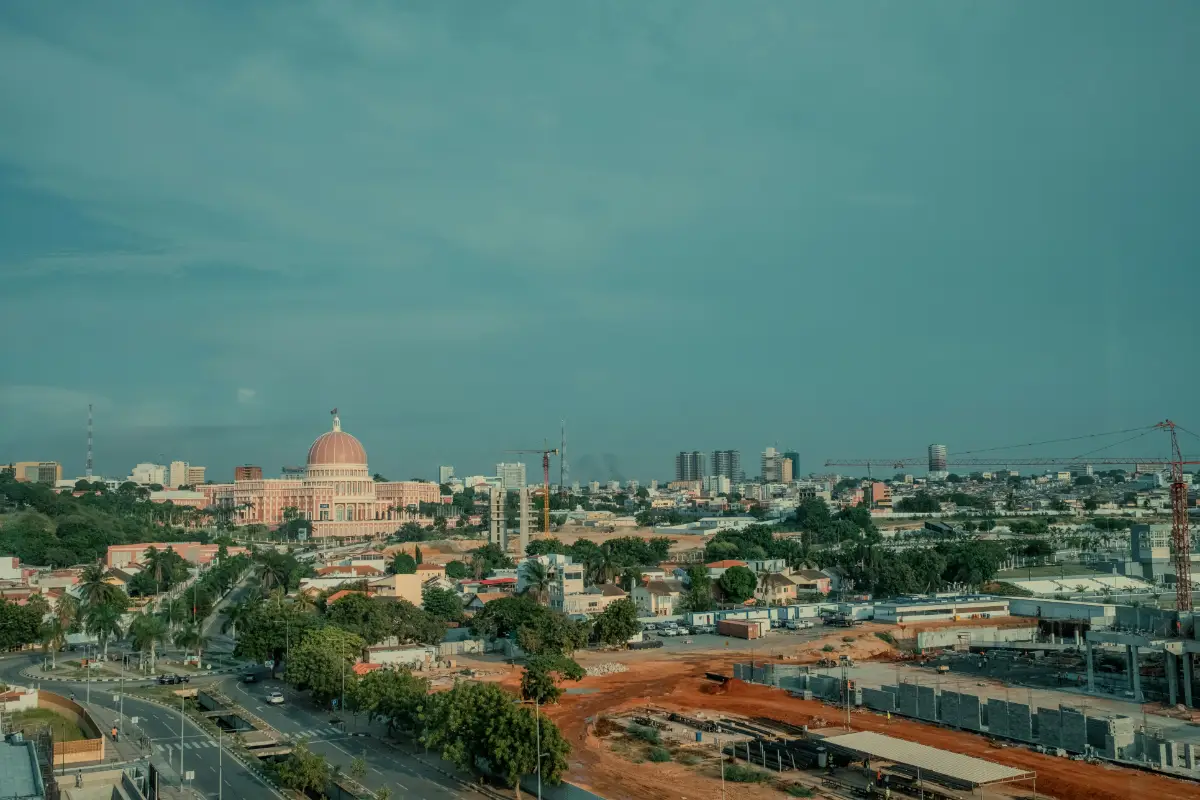
Luanda
Sightseeing depending on your return flight times.
Key facts
Angola at a glance
PRACTICAL INFORMATION

Entry requirements
Many nationalities, including citizens of the EU, the UK and the US, can visit Angola visa-free for short tourist stays. A passport valid for at least 6 months after your return date and a return ticket are required on arrival. Check the current rules for your nationality before booking.

Currency
The local currency is the kwanza. Euros and US dollars can easily be exchanged in Luanda, at banks and bureaux de change.

Electricity
Sockets are the European type (two round pins). UK and US travellers will need an adapter.

Safety
Angola has been a stable and safe destination since the end of the civil war in 2002. As in any large city, stay alert, avoid walking alone at night and keep your valuables in a safe place.

Health
Yellow fever vaccination is mandatory and must be recorded on your international certificate of vaccination. Antimalarial treatment is strongly recommended, and routine vaccinations should be up to date.

Seasons
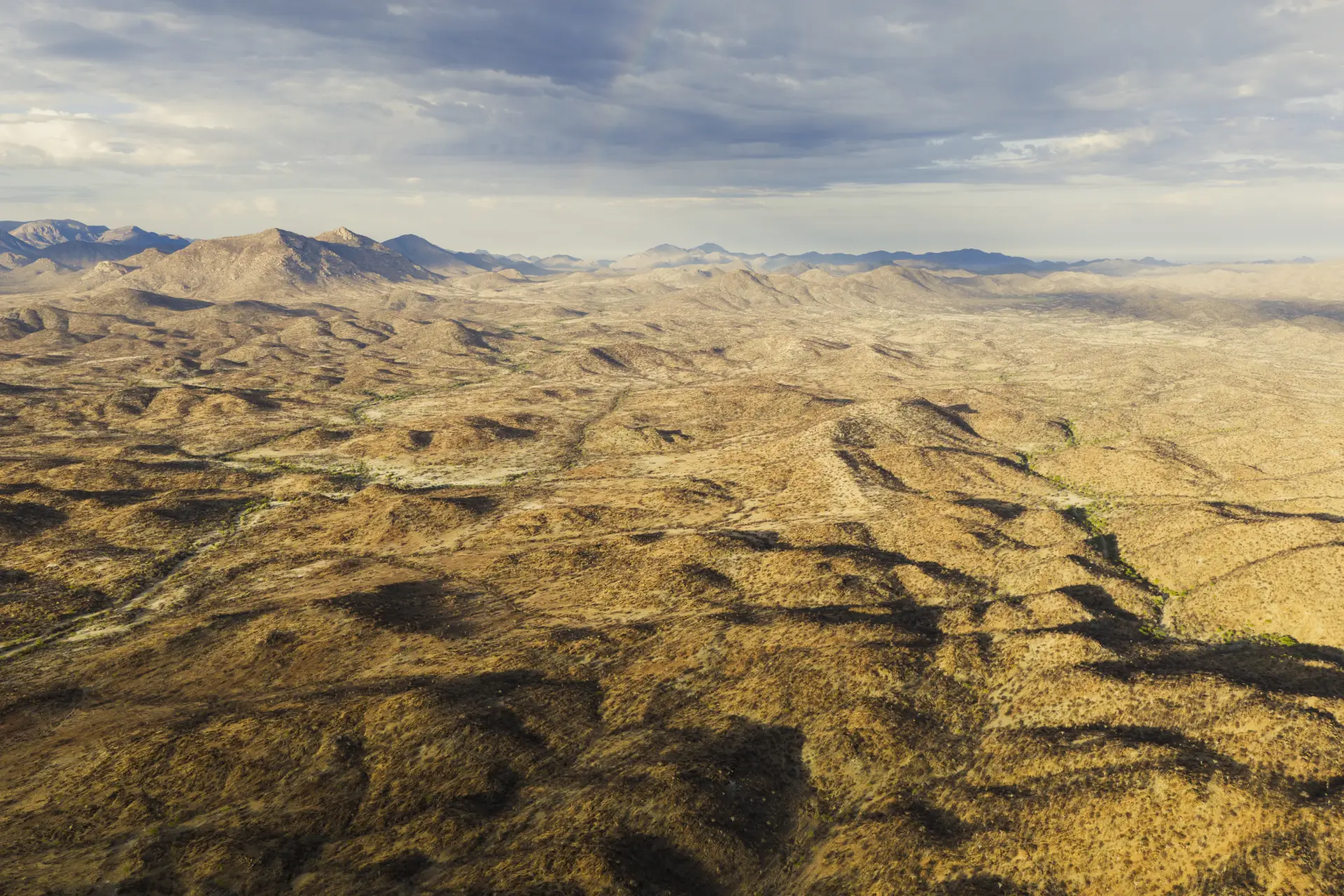
Angola can be visited all year round. The dry season, from May to October, brings pleasant temperatures, ideal for tours and safaris. The rainy season, from November to April, is still pleasant, with mostly short showers and slightly warmer temperatures. In the desert south, temperatures vary more: hot during the day, cooler in the morning and evening.
Questions about this tour? Get in touch!