Discover Angola, Africa’s best-kept secret
Angola offers an exceptional diversity of landscapes and cultures. The Atlantic Ocean, high plateaus, the Namib Desert, tropical forests and long-standing traditions make up a land full of contrasts. Travelling in Angola is a powerful experience, both natural and human.
Key facts
Angola at a glance
What landscapes can you discover in Angola?
Few travellers truly know Angola, but those who venture there discover a land of a thousand faces.
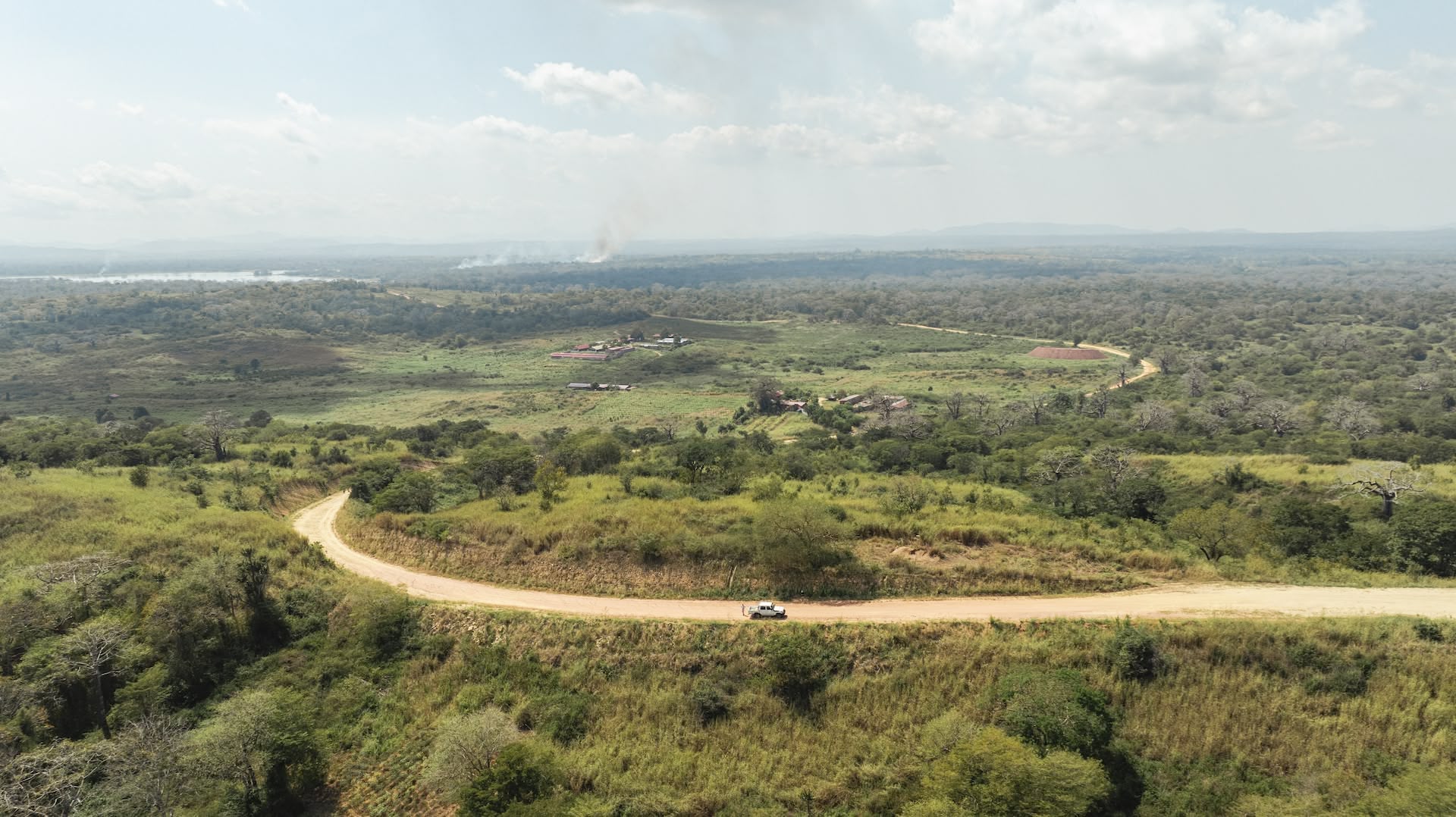
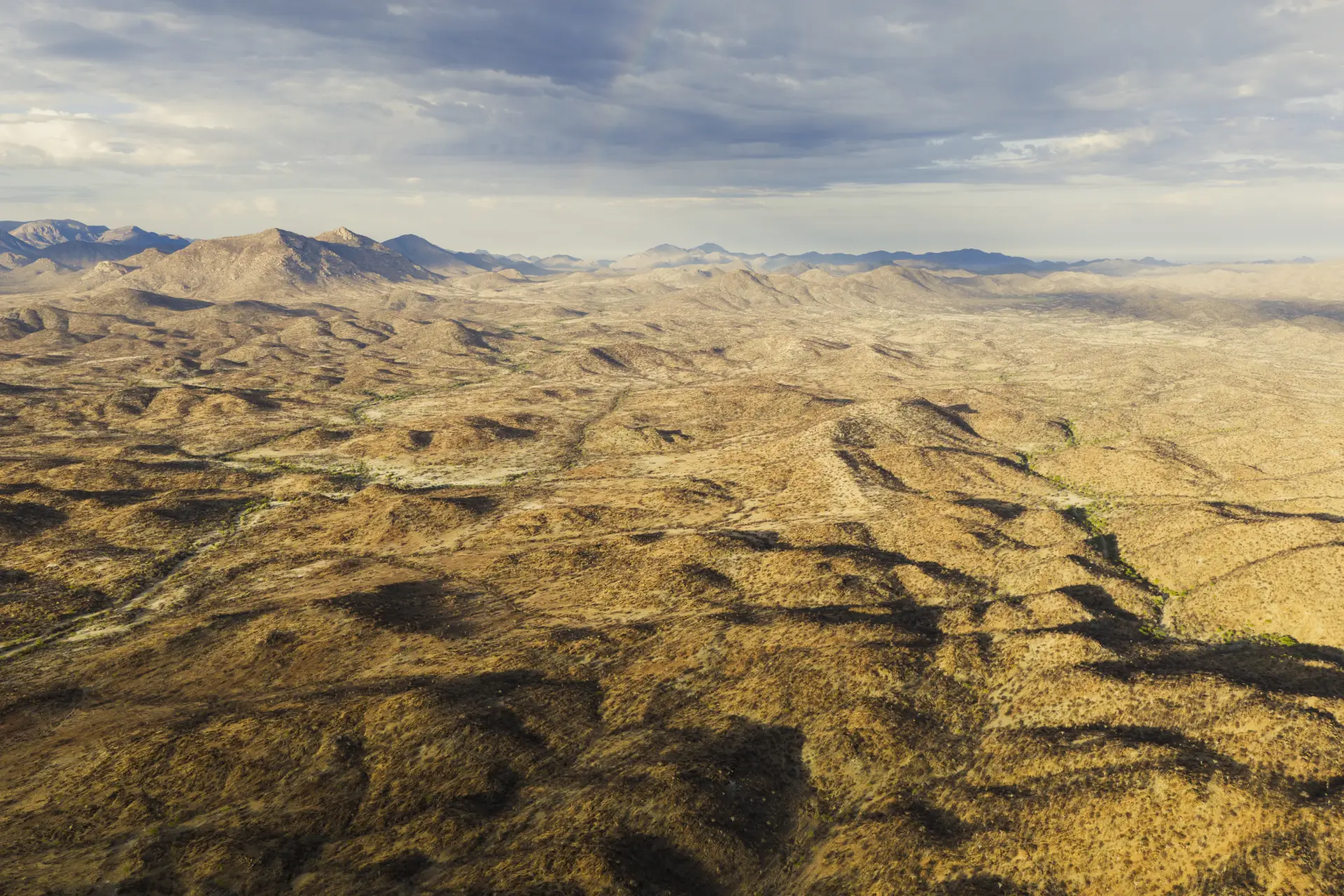
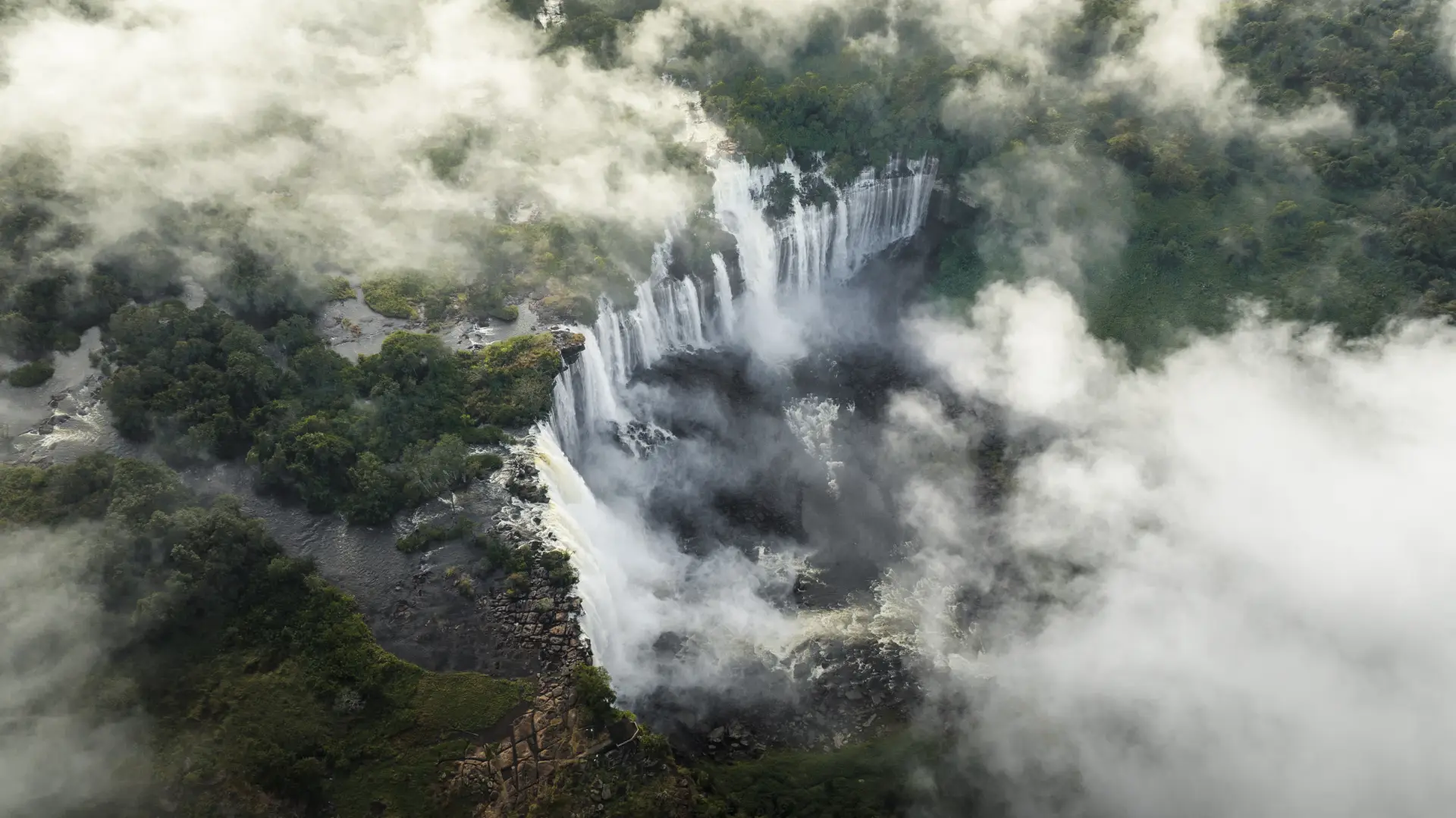
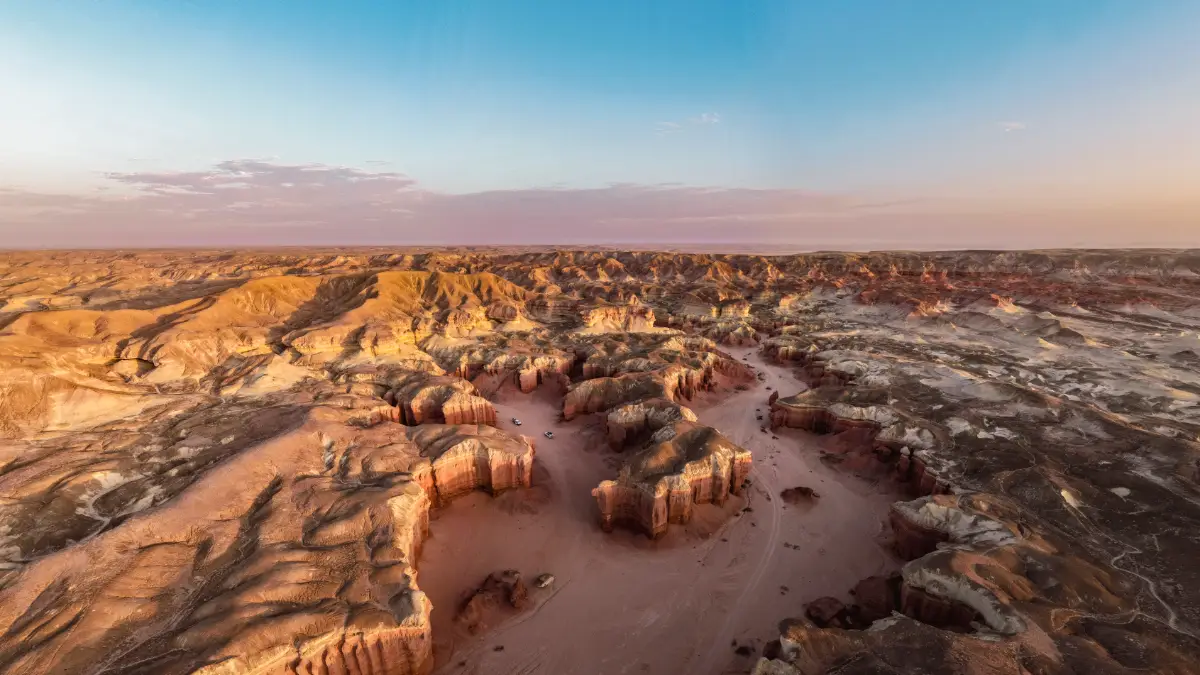
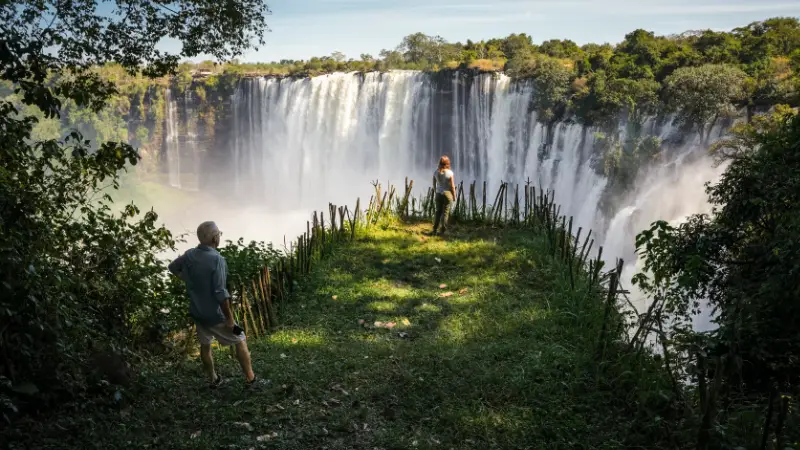
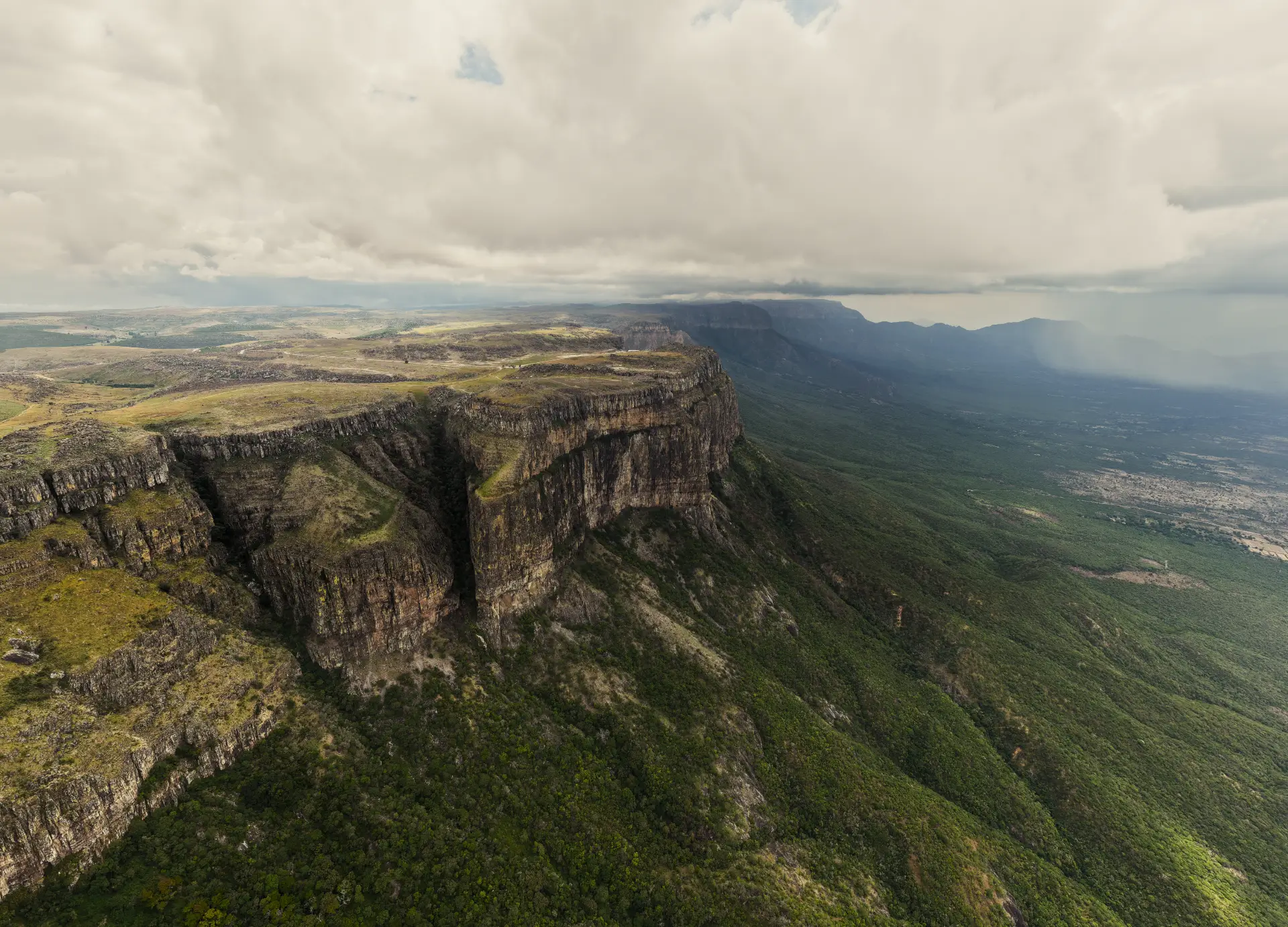
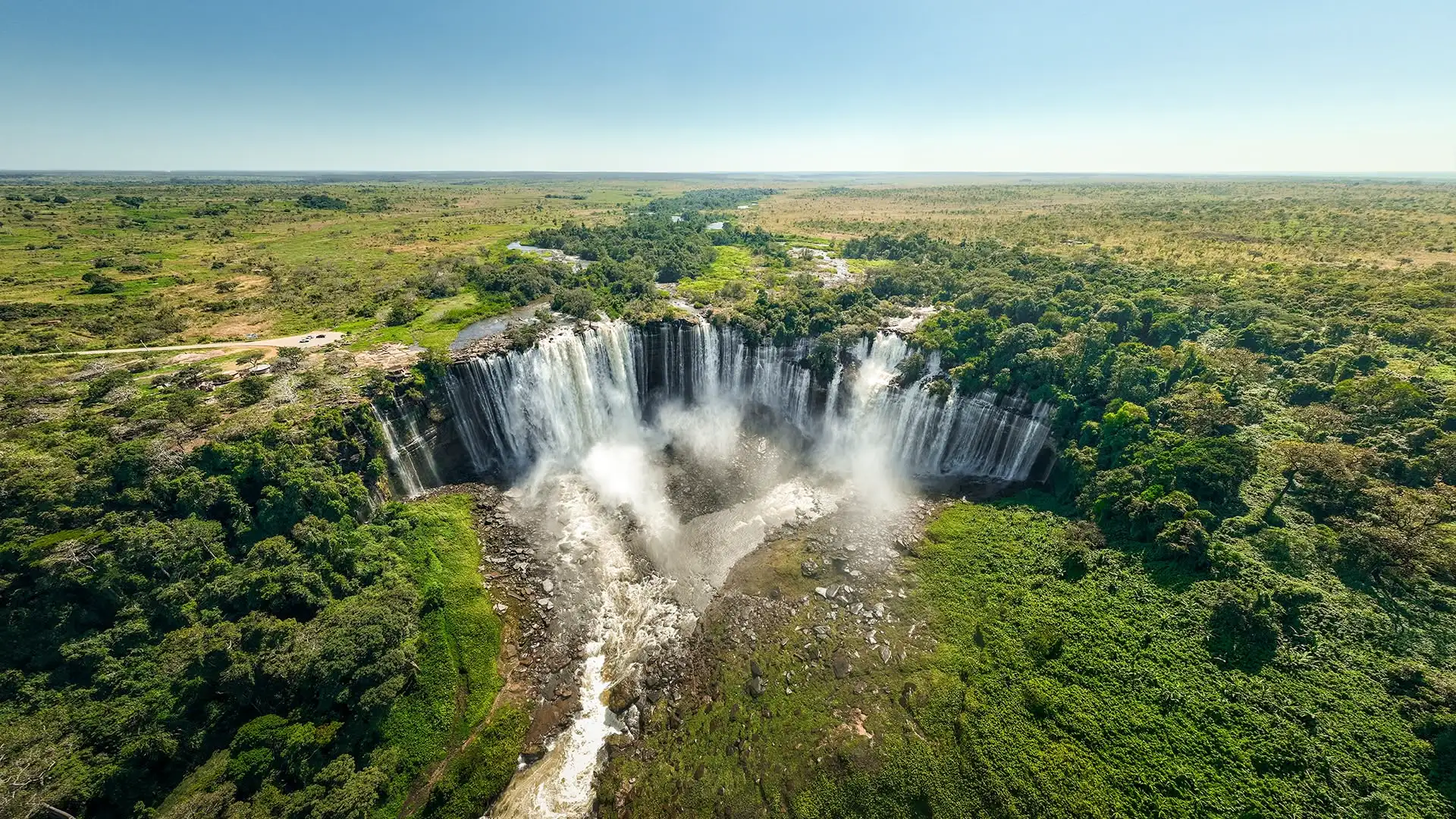
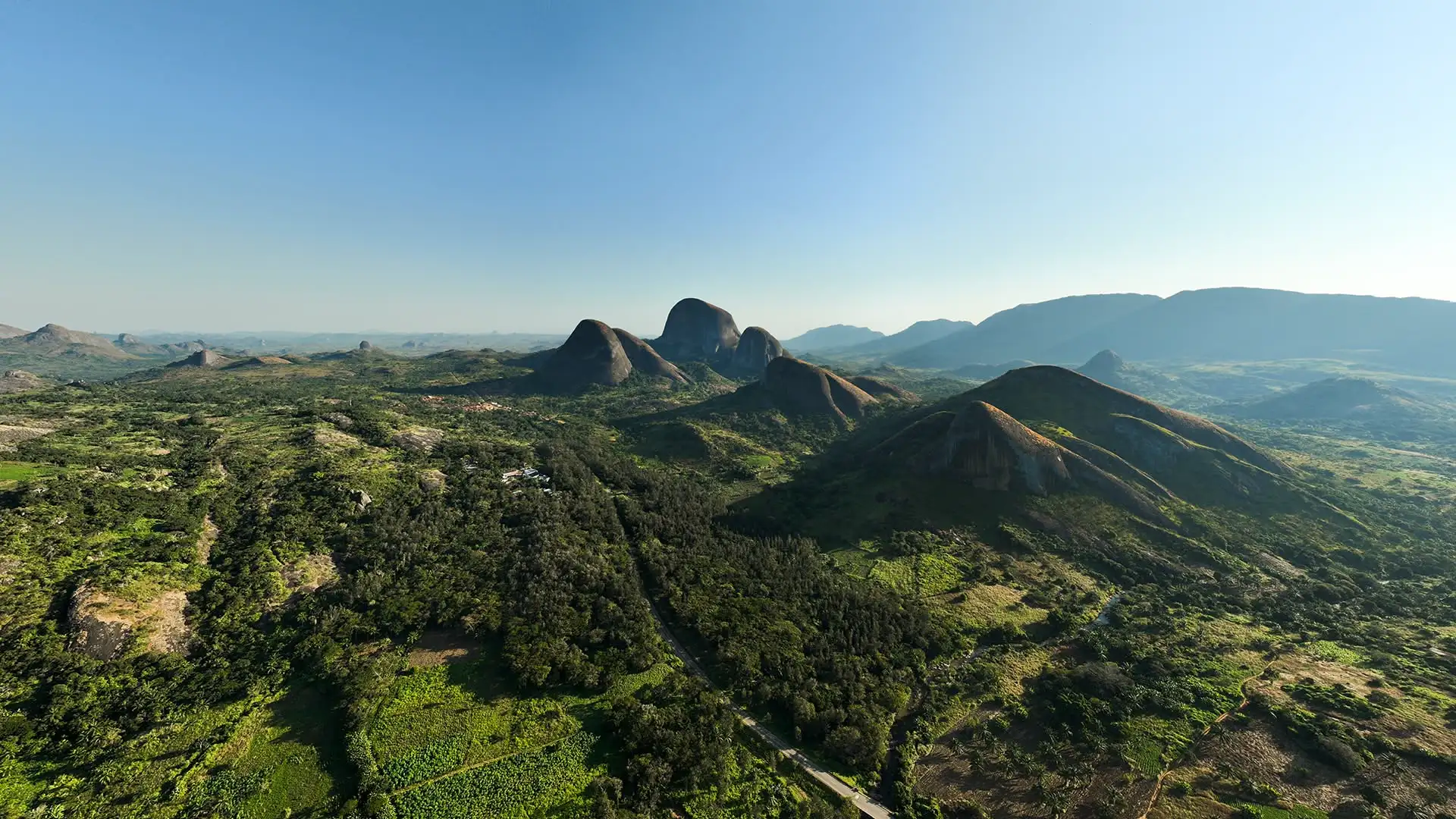
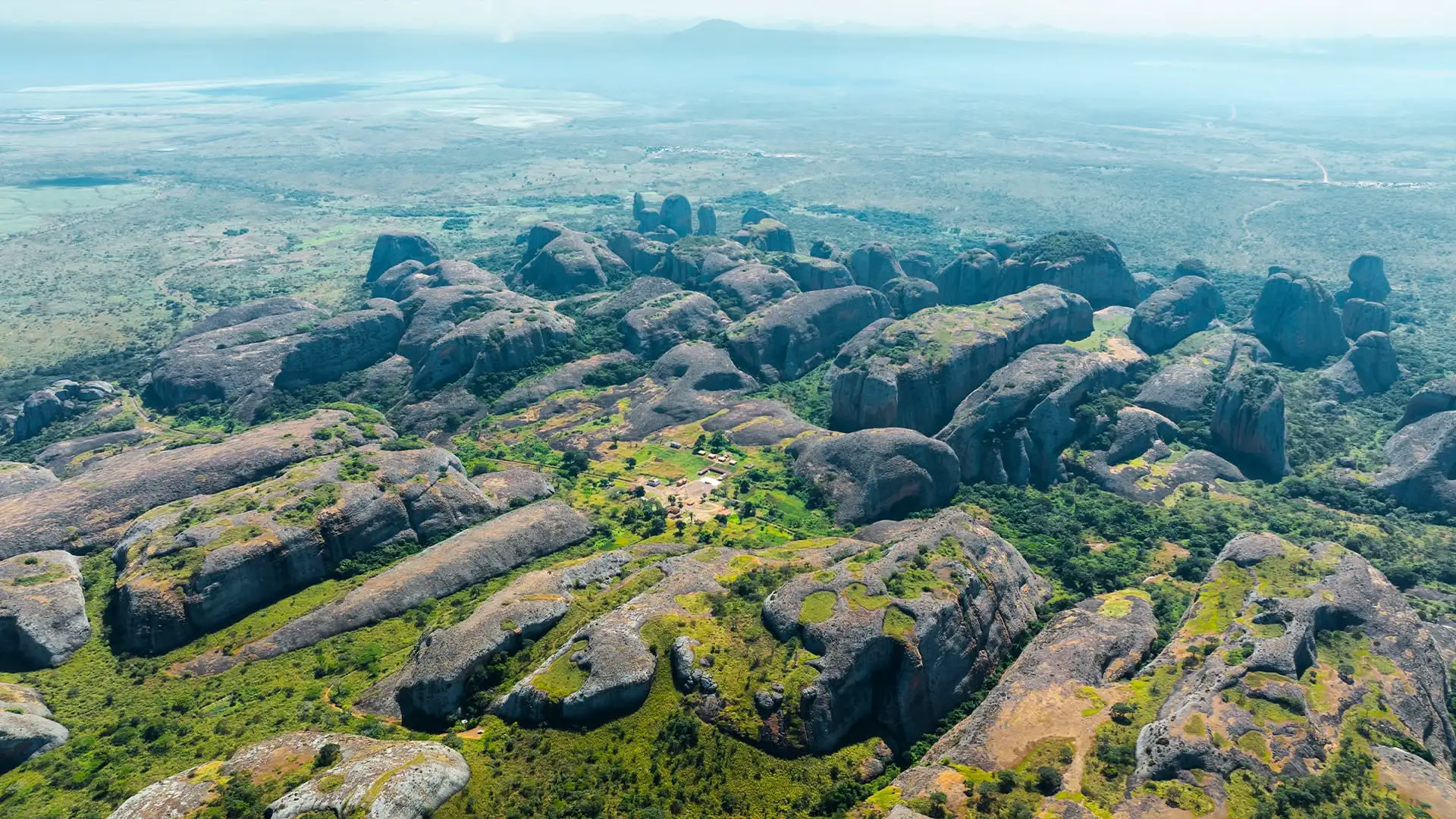
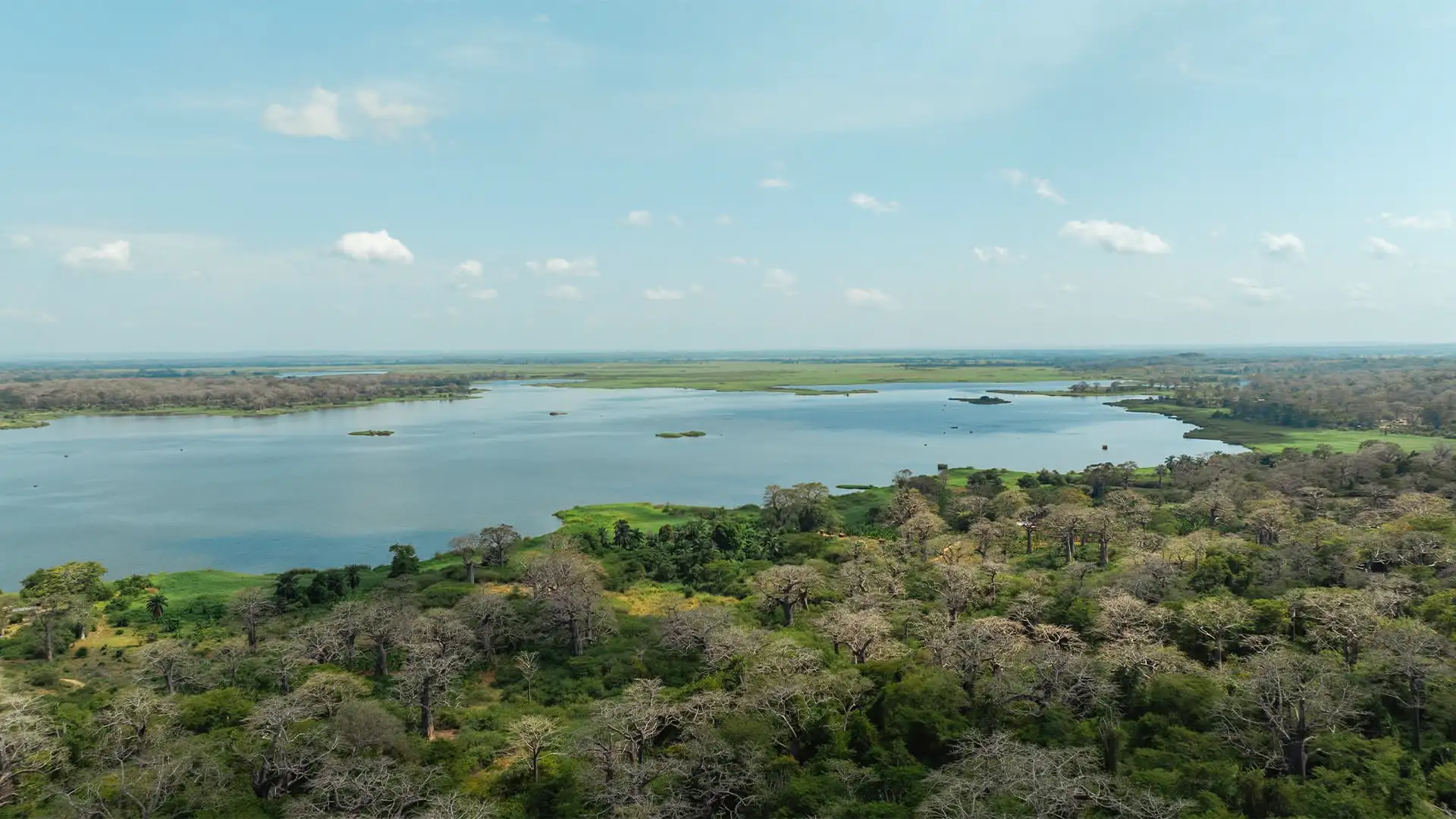
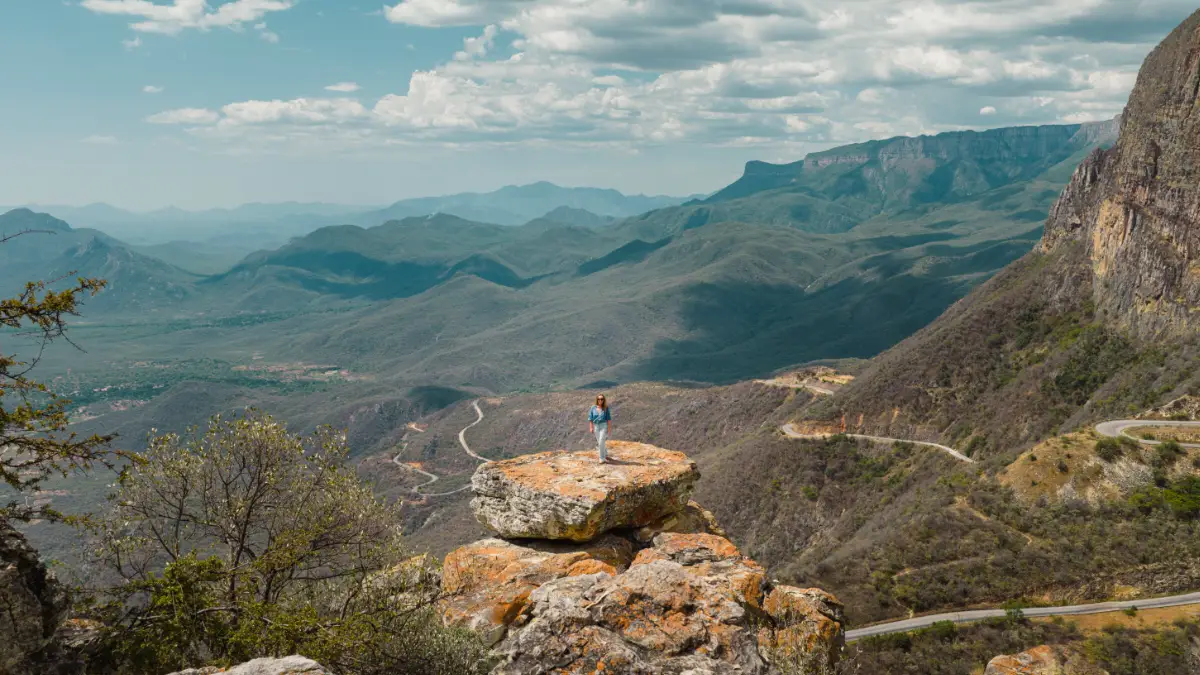
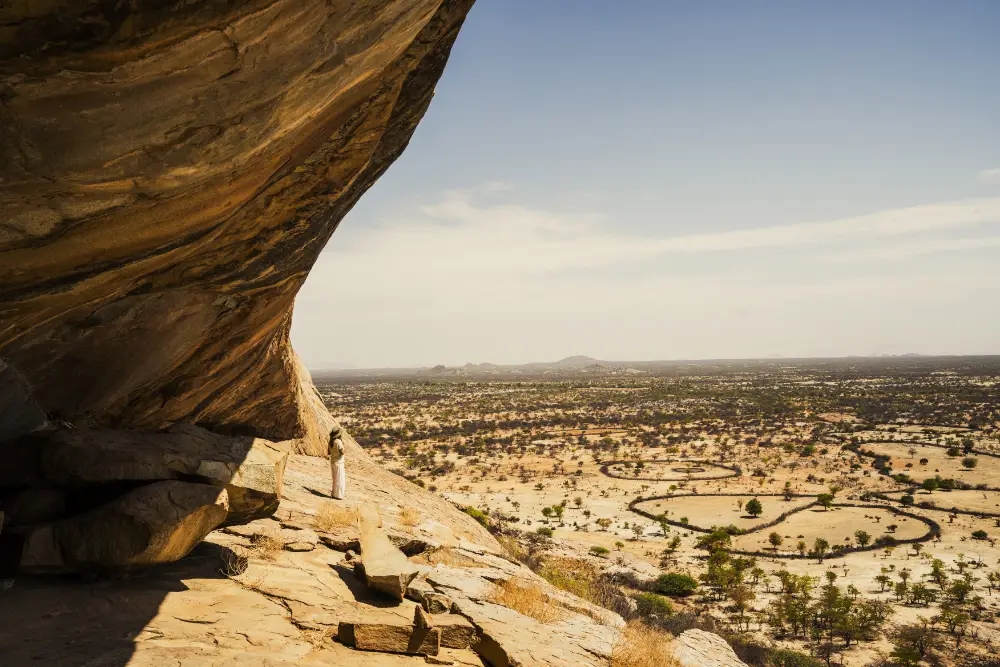
The north is home to the Maiombe forest, which accounts for nearly 90% of the country’s Guinea-Congolian biome, while the south reveals the red dunes of the Namib Desert and the vast wild plains of the southeast. To the west, the Atlantic Ocean runs along a coastline of about 1,600 km, with many beaches still unspoilt. Between spectacular waterfalls such as Kalandula Falls, rugged mountains and fertile valleys, Angola brings together a remarkable variety of landscapes.
What wildlife can you see in Angola?
Angola has seven national parks, and its protected areas cover about 7% of the country. In Quiçama National Park, about 70 km from Luanda, you may, with some luck, spot elephants, giraffes and buffalo.
Cangandala, the country’s smallest national park, is famous for the giant sable antelope, the Palanca Negra Gigante: this endemic antelope, once thought extinct, was sighted there again in 2005. In the southwest, Iona National Park, Angola’s oldest protected area, protects the Angolan part of the Namib Desert. These ecosystems make Angola a prime destination for nature lovers and photo safaris.
Discover Angola through our films
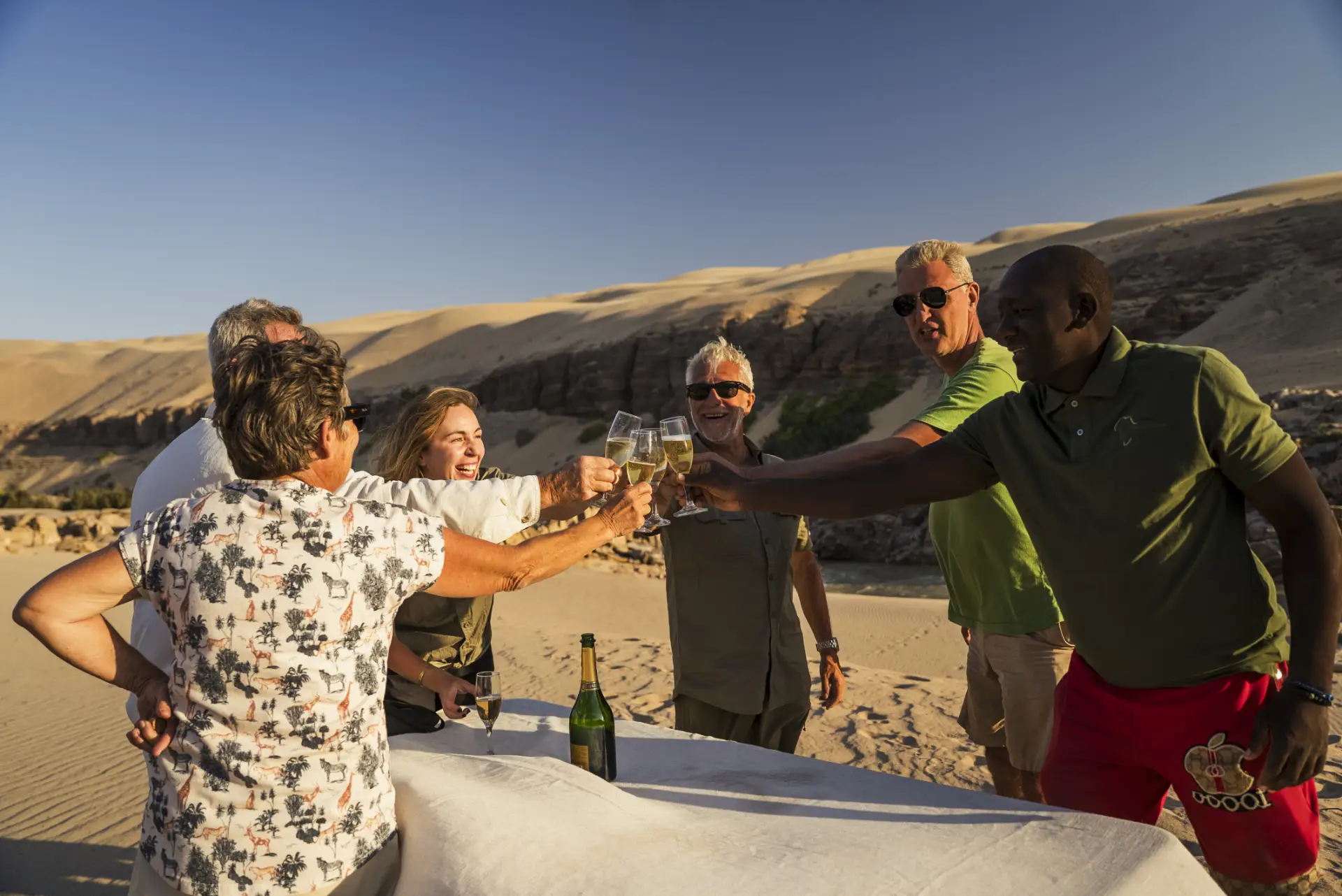
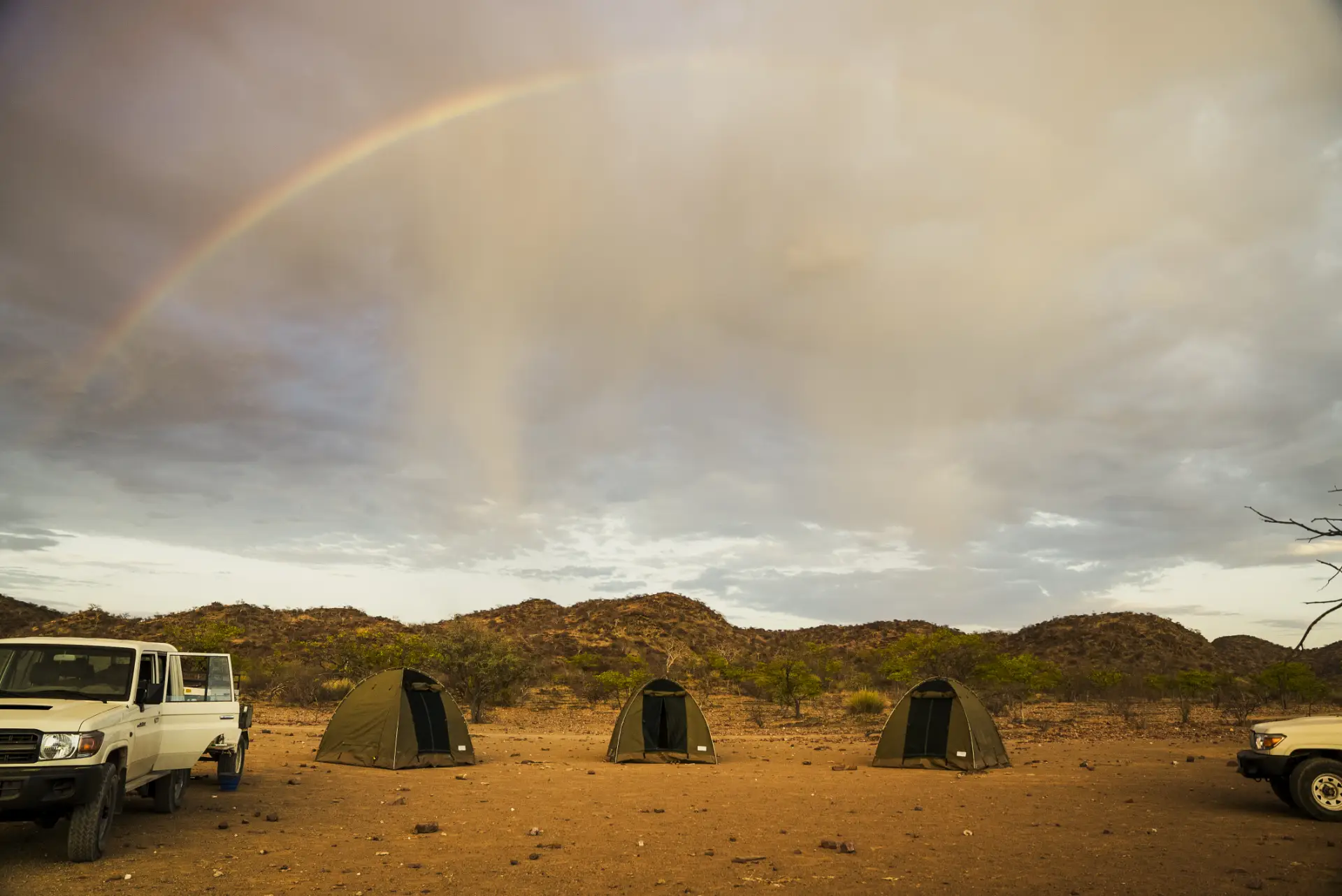
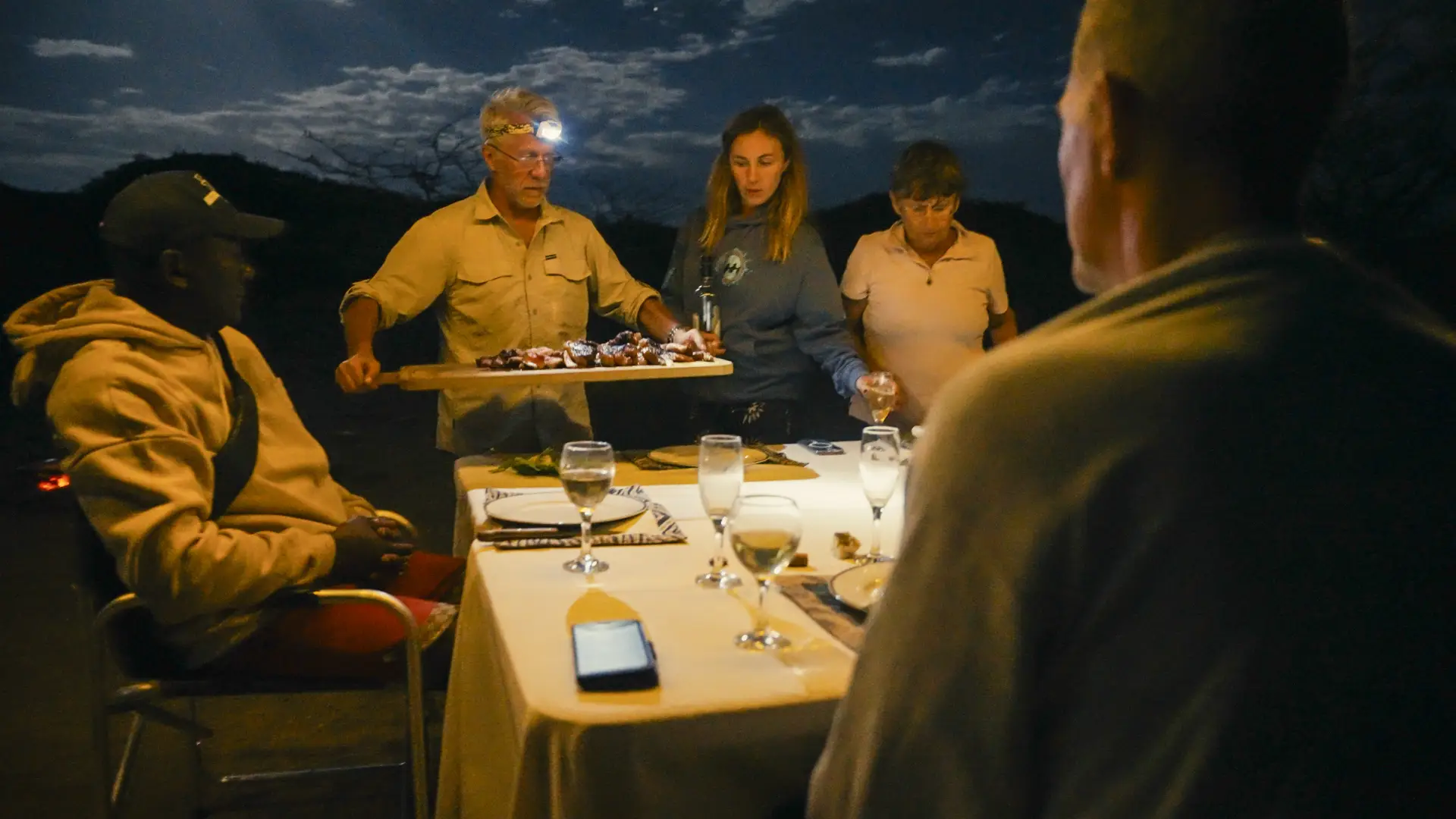
Jungle, desert, remote villages and wildlife: get a glimpse of the very best Angola has to offer.
Which peoples, and what history?
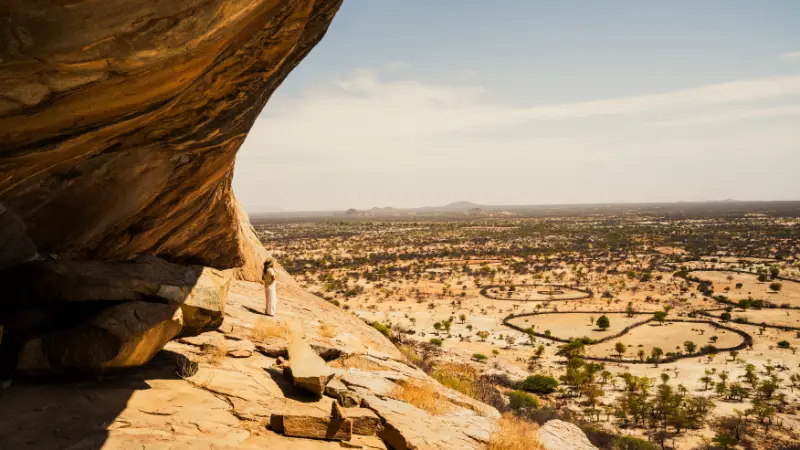
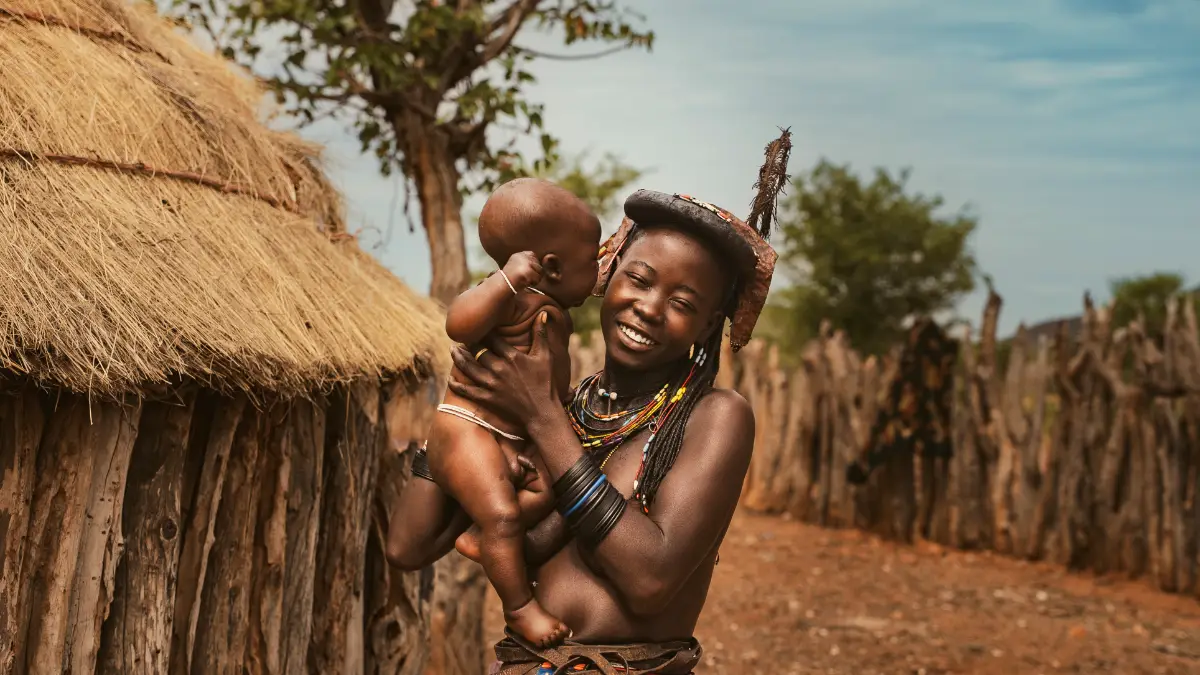
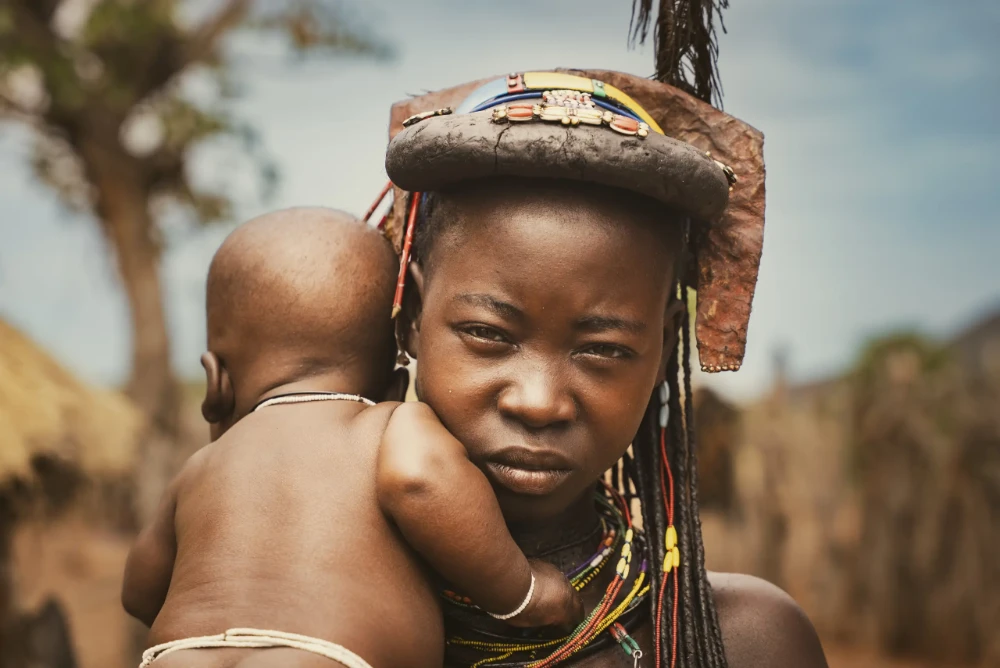
Beyond its landscapes, Angola stands out for its human richness. The country’s three main groups are the Ovimbundu, the Kimbundu and the Bakongo. In the south, minority herding peoples such as the Himba and the Mucubal keep long-standing traditions alive.
Meeting them is a rare experience for travellers. Angola also carries the legacy of a long history: the kingdoms of Kongo and Ndongo, nearly five centuries of Portuguese presence, independence in 1975, then peace restored in 2002 after a long civil war. Fortresses, historic sites and museums bear witness to this complex past, which shapes Angolan identity.
Why travel to Angola?
Choosing Angola means choosing a destination off the beaten path.
It means feeling the thrill of a safari in a land still spared from mass tourism, immersing yourself in raw, beautiful landscapes and meeting communities that keep unique traditions alive. It also means exploring a country where every trip is an adventure, where nature and culture intertwine to offer a deeply human and unforgettable experience.
FAQ
Common questions about Angola
Where is Angola?
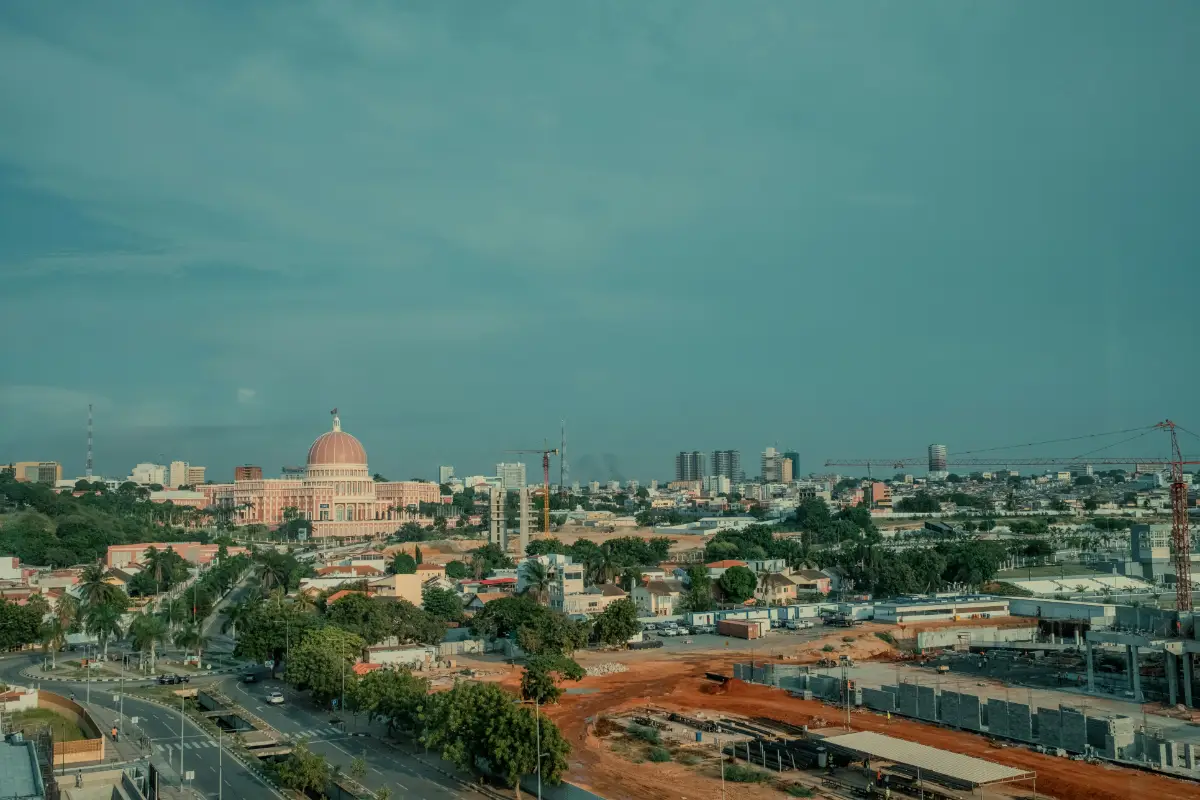
In southern Africa, on the Atlantic coast. It borders the Democratic Republic of the Congo to the north, Zambia to the east and Namibia to the south. Its capital is Luanda.
What language is spoken in Angola?
Portuguese is the official language. Many African languages are also spoken, including Umbundu, Kikongo and Kimbundu.
When is the best time to go?
In the north, the cooler dry season runs from May to October, and the hot rainy season from November to April. The south and the coast are semi-arid.
How many national parks does Angola have?
Seven, including Quiçama near Luanda, Cangandala, home of the giant sable antelope, and Iona in the Namib Desert.
When did Angola become independent?
On 11 November 1975. The country then went through a long civil war, which ended in 2002.
Tips and stories for travelling in Angola
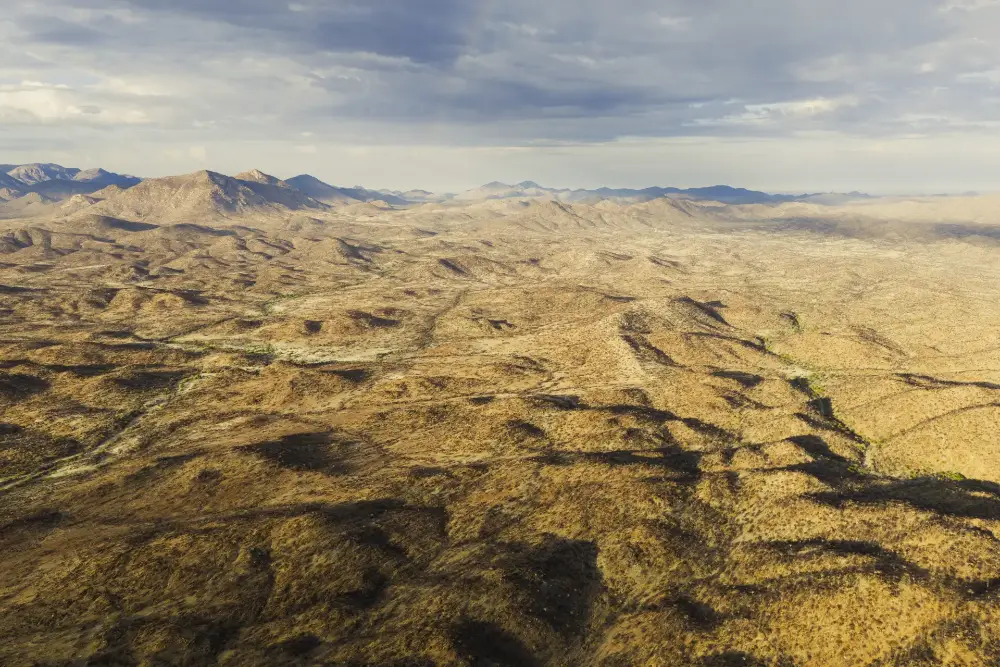
Join our tours and discover the real Angola
Head off the beaten track, where Africa is still true to itself. Deep forests, forgotten peoples, rare wildlife and untouched landscapes: Angola offers what few countries can still promise, pure wonder. Live a rare, human and unforgettable adventure with us.